How Bespoke Shoe Fittings Work
A beautiful shoe can command a room. A bespoke shoe does something rarer - it becomes part of the way you move through it. That is the real answer to how bespoke shoe fittings work: they are not simply about size, but about shaping elegance around your foot, your posture, and the life the shoe is meant to accompany.
For women who have spent years compromising between striking design and wearable comfort, the fitting process feels revelatory. It replaces approximation with precision. Instead of asking whether you can tolerate a heel for an evening, a bespoke fitting asks how the shoe should support you from the first step to the last dance, from the entrance to the memory.
What how bespoke shoe fittings work really means
In luxury footwear, bespoke is often used too loosely. A true bespoke fitting is not the same as choosing a standard size and selecting a different material or heel height. It is a far more intimate process, built around the architecture of your individual foot.
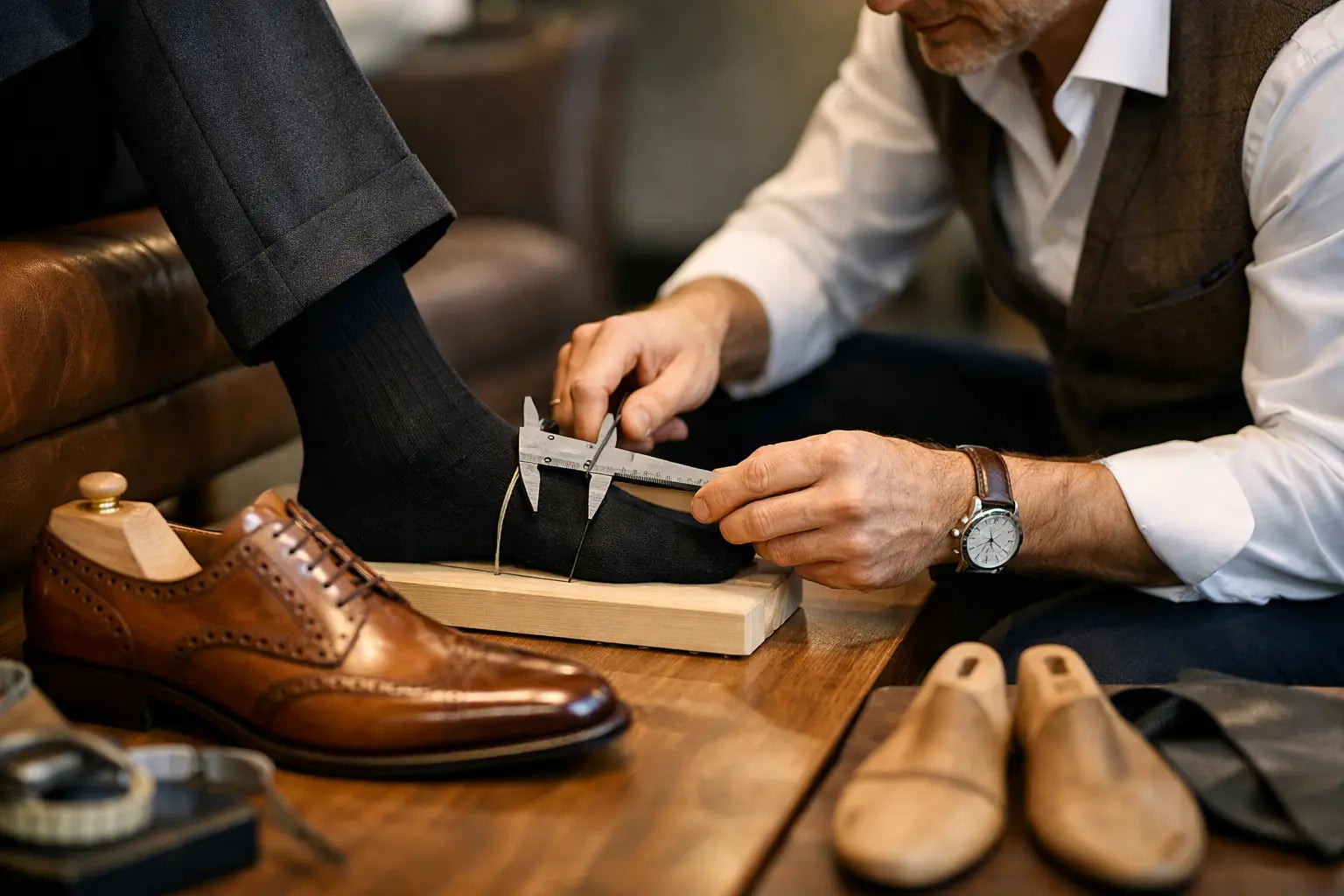
The fitting begins with observation as much as measurement. Length and width matter, of course, but so do instep height, toe shape, arch profile, heel width, pressure points, and subtle asymmetries between the left and right foot. Most people do not have perfectly matched feet, and a bespoke approach respects that reality rather than ignoring it.
A skilled fitter also considers how you stand and walk. The way weight falls through the ball of the foot, whether you roll inward or outward, how firmly your heel sits, and how much flexibility you need through the forefoot all affect the final shape of the shoe. This is why bespoke footwear can feel so different from ready-to-wear luxury. It is not just made for a foot measurement. It is made for a body in motion.
The first fitting appointment
The first appointment usually sets the tone for the entire experience. In an atelier setting, the conversation often begins with intention. Are the shoes designed for evening wear, a wedding, formal work, travel, or a collector's wardrobe? A dramatic stiletto for a gala requires a different balance from a custom boot meant for long city evenings.
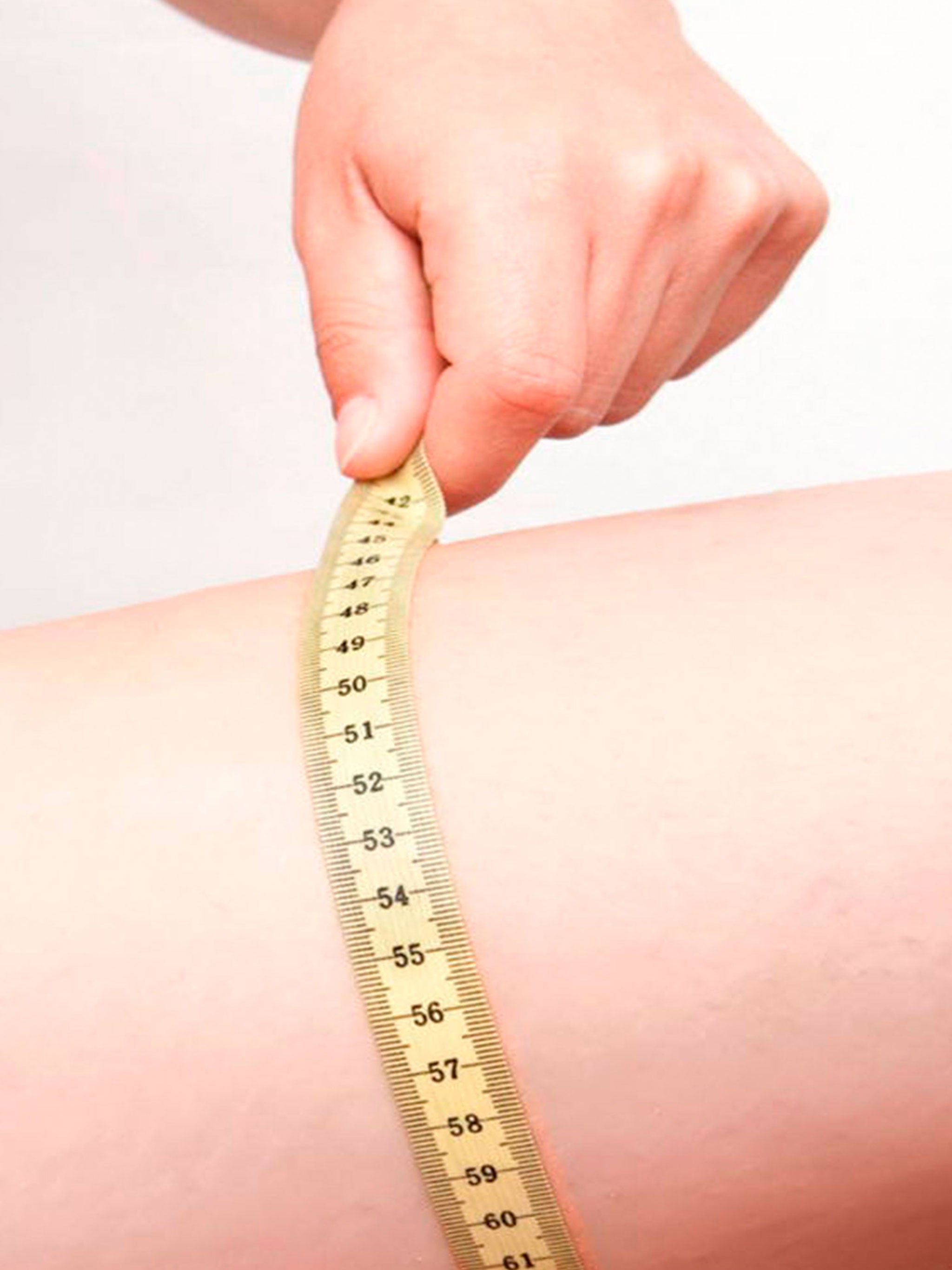
Measurements are then taken carefully, often by hand. The fitter may trace the feet, measure circumference at several points, and study shape while seated and standing. Both positions matter because feet change under load. A foot that appears slim when lifted can spread differently when bearing weight, and a bespoke last must account for that.
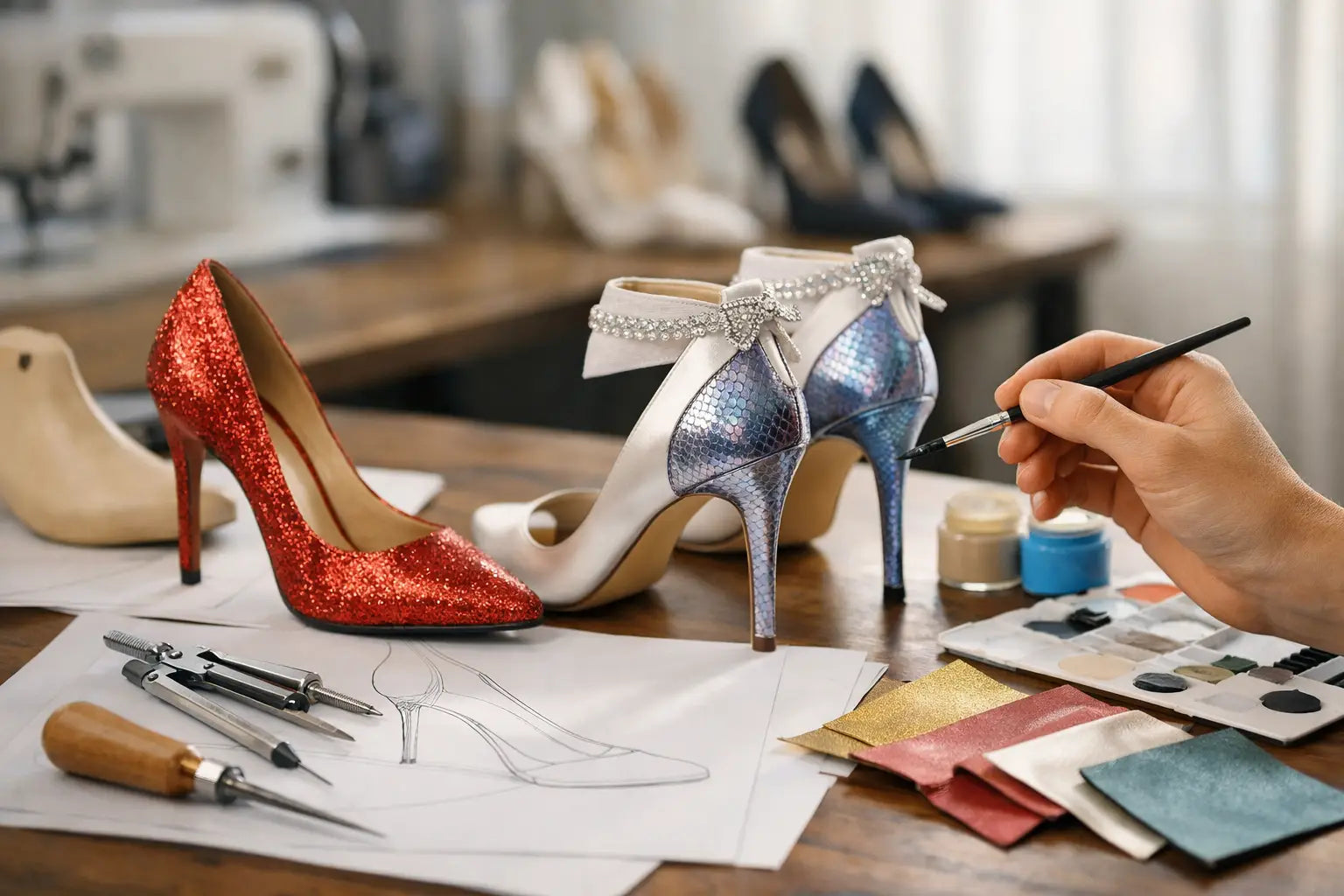
Material choice also enters early because leather behavior influences fit. A supple kid leather will soften and mold differently from a structured metallic finish or embellished textile. If the shoe includes fine straps, a pointed toe, or a higher pitch, those details are considered as part of the fitting rather than treated as decoration alone.
At this stage, clients are often surprised by how much detail is discussed. Yet that detail is precisely what allows a shoe to feel sensual rather than punishing. Precision is what gives glamour its ease.
The role of the last in bespoke footwear
The heart of the process is the last. This is the sculpted form around which the shoe is built, and in bespoke work it is either created or adapted specifically for the client. If you want to understand how bespoke shoe fittings work, this is the essential piece.
A standard luxury shoe is made from a preexisting last intended to fit a broad category of feet. A bespoke shoe uses a last that reflects your exact dimensions and shape. That includes not only overall size, but the contour of the arch, the depth of the toe box, the hold of the heel, and the line of the instep.
For high heels, the last becomes even more critical. Heel height changes the angle of the foot, shifting pressure forward and altering how the shoe must support balance. A beautifully proportioned bespoke heel is not merely visually refined. It is engineered to place the foot in a position that feels stable, flattering, and far more natural to wear.
This is one reason bespoke fittings can take time. The goal is not speed. The goal is harmony between design and anatomy.
Trial fittings and refinements
Once the initial measurements and design decisions are complete, a prototype or trial fitting may follow. Depending on the maison's process, this can take the form of a sample shoe, a fitting shell, or a preliminary version made to test shape and balance before final construction.
This stage is where refinement happens. Perhaps the toe line is perfect visually but needs a touch more depth for comfort. Perhaps one heel slips slightly while the other sits securely. Perhaps a strap needs to be shifted by a fraction to flatter the foot while improving hold. In bespoke work, these are not minor inconveniences. They are the very reason for the process.
There is also a balance to strike between softness and structure. A shoe that feels loose in the fitting room may not support you through a full event. One that feels overly firm may not allow the leather to settle beautifully over time. An expert fitting accounts for wear, not just first impression.
This is where honesty matters. Clients sometimes assume that a bespoke shoe should feel like a slipper from the first second. Not always. In some silhouettes, especially higher heels or sharply refined evening shapes, a degree of structure is necessary to preserve line, support, and longevity. The point is not softness at any cost. It is intelligent comfort, shaped around beauty.
Why bespoke fit feels different from standard sizing
Standard sizing is built on averages. Bespoke fit is built on you. That difference reveals itself in ways that go beyond comfort alone.
A properly fitted bespoke shoe tends to reduce unnecessary movement inside the shoe, which can mean less rubbing, less gripping with the toes, and less fatigue over the course of an event. It can improve posture because the foot is held more securely and balanced more thoughtfully. It can even change the silhouette of your walk, giving a cleaner, more assured line.
There is also an aesthetic advantage. When a shoe fits correctly, it sits more beautifully on the foot. Straps lie with intention. The vamp flatters rather than cuts. The toe shape feels elegant rather than restrictive. This is part of the allure of couture-minded footwear: fit is not hidden beneath design. Fit is what allows design to appear effortless.
Of course, bespoke is not a promise that every client wants the same sensation. Some prefer a close, glove-like fit. Others want slightly more ease, especially for long evenings or feet that swell. Climate, occasion, and heel height all influence what the ideal fit should be. Bespoke allows those choices to be made deliberately.
Who benefits most from a bespoke fitting
Bespoke footwear is especially valuable for clients who struggle with conventional sizing, whether because of narrow heels, wide forefeet, high arches, bunions, uneven feet, or recurring pressure points. It also appeals to women who know exactly how they want a shoe to look and feel, and who do not want to compromise either element.
For occasion dressing, the value becomes even more apparent. A wedding shoe, a gala heel, or a statement boot often carries emotional weight as well as visual impact. When the fit is considered from the beginning, the shoe is far more likely to support the moment instead of distracting from it.
That said, bespoke is not always necessary for every purchase. If someone fits comfortably into a ready-to-wear last and wants something immediate, made-to-order or semi-custom options may be enough. Bespoke is for those who want the closest expression of personal fit and design, and who appreciate the time and craftsmanship that such work requires.
The luxury of time, attention, and memory
Part of what makes the process so compelling is that it restores intimacy to fashion. In a market crowded with speed, bespoke asks for patience. In return, it offers something far more lasting than novelty.
At Charlotte Luxury, that philosophy sits at the center of the atelier experience. A bespoke fitting is not only a technical service. It is a way of honoring the woman who will wear the shoe - her proportions, her preferences, her movement, her presence.
The final pair carries that attention in every line. It remembers the shape of your foot, the curve of your step, the occasion it was created for. That is why bespoke footwear feels so personal. It is not simply purchased. It is composed.
If you are considering your first bespoke fitting, arrive with clarity about where the shoes will be worn and how you want to feel in them. The finest results come when beauty and honesty meet, and when fit is treated not as a correction, but as the foundation of elegance.