Why Are Bespoke Shoes Expensive?
A beautifully made shoe reveals its value before you take a single step. The line is cleaner, the balance more graceful, the fit more intimate. If you have ever wondered why are bespoke shoes expensive, the answer begins there - not with a label, but with the extraordinary amount of human skill required to create something made for one person and no one else.
Bespoke footwear sits far beyond standard luxury. It is not simply a prettier shoe, or a more exclusive one. It is a shoe shaped around your proportions, your posture, your preferences, and often the way you want to be remembered when you enter a room. That level of precision carries a cost, and in the world of fine footwear, cost is often a reflection of time, rarity, and mastery.
Why are bespoke shoes expensive? It starts with the last
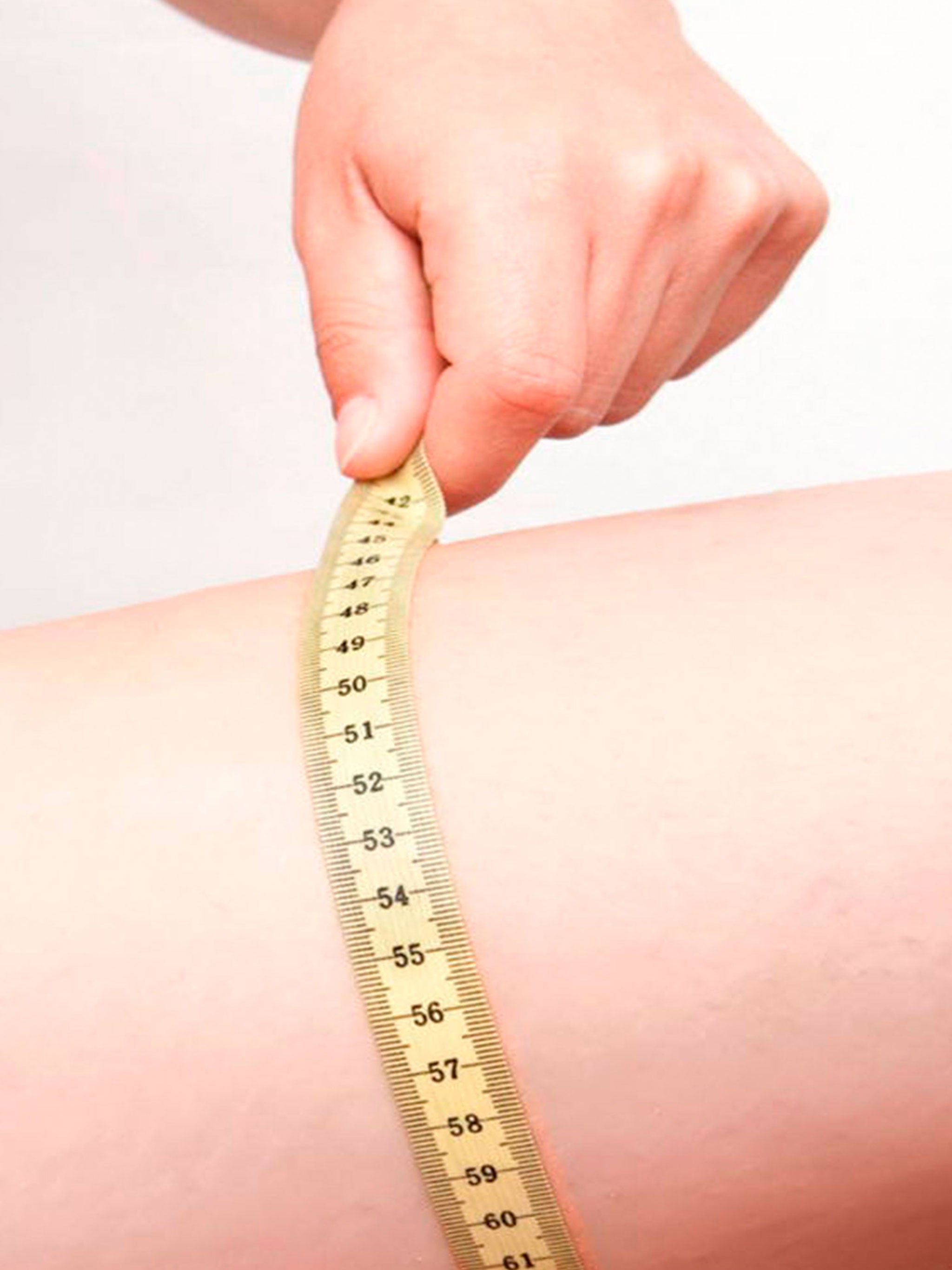
Every truly bespoke shoe begins with a last, the form around which the shoe is built. In ready-to-wear production, one last may serve thousands of pairs in a narrow range of standard sizes. In bespoke work, the last is developed for a specific client, often with adjustments for arch height, toe shape, foot width, stance, and subtle asymmetries that mass sizing cannot address.
This process is not glamorous from the outside, yet it is one of the most defining luxuries in footwear. A custom last demands measurement, interpretation, and refinement. It may require fittings and corrections. It may need to account for the realities of high heels, where millimeters matter and the relationship between pitch, balance, and pressure can determine whether a shoe feels exquisite or punishing.
That work is expensive because it is exacting. It is also expensive because it cannot be rushed without compromising the result.
The real price of handwork
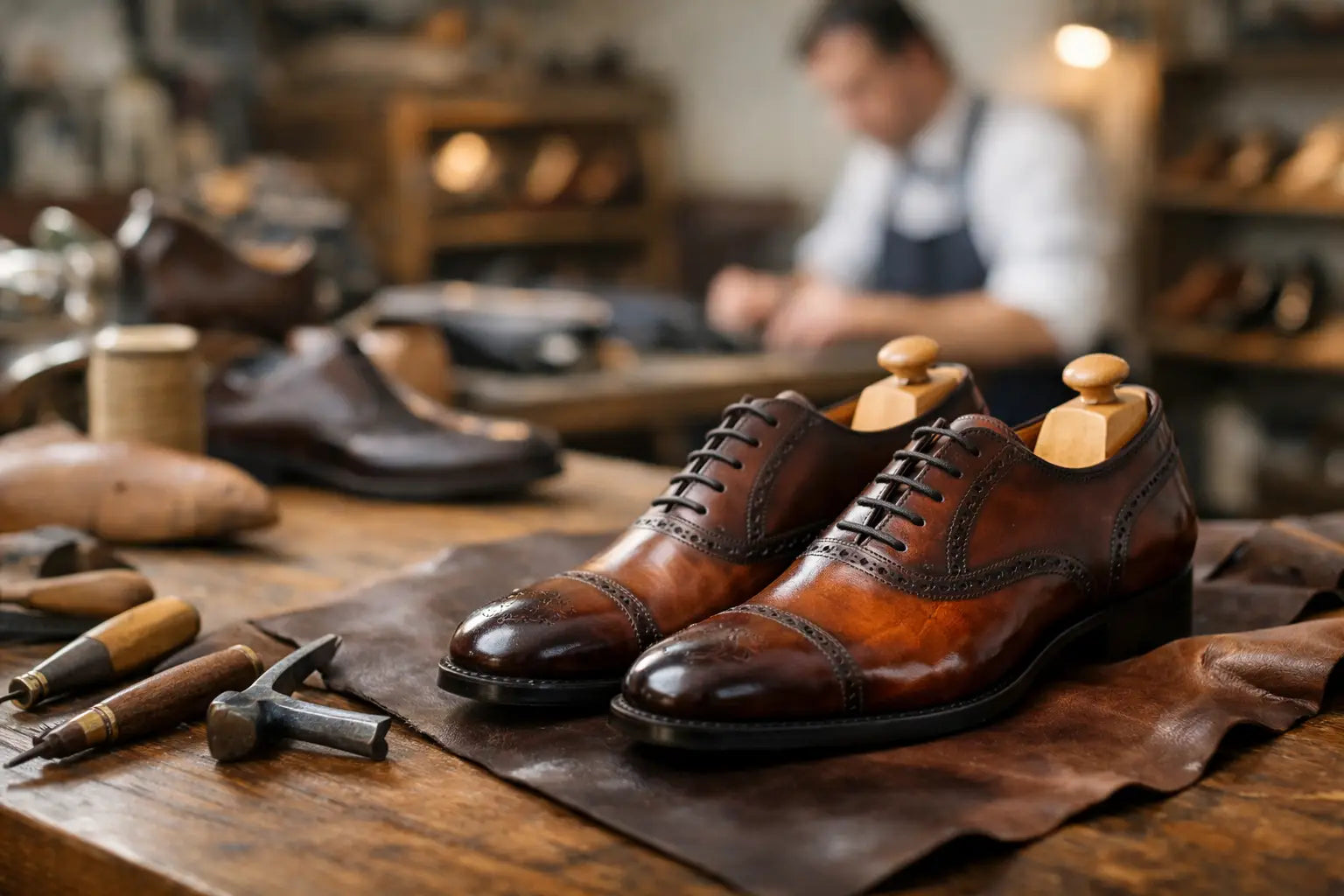
Bespoke shoes are costly for the same reason couture garments are costly. Skilled hands remain at the center of the process.
Pattern making, cutting, skiving, lasting, stitching, finishing, and balancing are not interchangeable factory motions when a shoe is made to order. Each decision affects the final silhouette and the way the shoe performs on the foot. A refined heel, a sharply drawn vamp, or a cleanly sculpted boot shaft may look effortless, but elegance in footwear is often the result of painstaking restraint.
In a mass-market model, labor is spread across scale. In a bespoke atelier, labor is concentrated into one pair. Hours that would be divided across hundreds of units are invested into a single commission. That changes the economics entirely.
There is also the question of who performs the work. True artisans command higher wages because their knowledge is rare, built over years rather than weeks. Their expertise is part of the product. When a shoe has poise, structure, and comfort in equal measure, that is not luck. It is craftsmanship made visible.
Materials are not just expensive - they are selective
Fine materials raise the price, but not only because they cost more per yard or skin. The greater expense comes from selectivity.
Luxury bespoke footwear often requires leathers and textiles with exceptional consistency in texture, strength, and finish. For statement shoes, visual perfection matters. So does how the material behaves under tension, how it molds with wear, and how it supports intricate construction. The more elevated the design, the less room there is for compromise.
A beautiful hide may still be unsuitable if the grain is uneven, if the temper is wrong for a sharply structured silhouette, or if the cut cannot support the desired line. In other words, artisans do not simply buy premium material. They reject a great deal in pursuit of the right one.
Hardware, embellishment, linings, insoles, and finishing treatments also contribute. What appears to be a minor detail on a custom heel can involve sourcing from specialty suppliers, hand application, and extra testing to ensure the result is as enduring as it is seductive.
Why bespoke fit costs more
One of the most overlooked reasons bespoke shoes are expensive is that fit itself is labor. Comfort in luxury footwear is not a generic promise. It is engineered.
For women who wear heels regularly, the difference is immediate. A bespoke pair can be designed with far more sensitivity to pressure points, stability, foot shape, and intended use. A shoe made for a gala, an evening event, or long hours on polished floors should not be approached in the same way as a shoe designed primarily for visual impact in short wear.
This is where bespoke becomes deeply personal. Some clients want a dramatic line and accept a more exacting fit. Others want elegance with more endurance. Neither is wrong. The point is that the maker adjusts the design around the wearer rather than asking the wearer to adapt to a standardized form.
That customization takes consultation, prototyping, and sometimes revision. It also reduces returns, guesswork, and disappointment - luxuries in themselves.
Small production means higher cost per pair
Scarcity is not a marketing trick in bespoke footwear. It is an operational reality.
Made-to-order and bespoke maisons do not produce at industrial volume. They work in small runs or individual commissions, often with slower calendars and more direct oversight. This means they cannot spread development, labor, and material costs in the way large factories can. Each pair carries more of the true cost of its own creation.
There is also less waste hidden by scale. A mass producer can absorb inefficiencies because volume compensates. A bespoke house cannot. If an artisan spends extra hours perfecting a pattern or adjusting a fit, those hours belong to that pair.
For the client, this is precisely part of the appeal. You are not buying from a system designed to move inventory. You are entering a process designed to deliver distinction.
Design complexity changes everything
Not all bespoke shoes are priced equally, and that matters. A minimalist pump in a classic finish requires one kind of execution. A custom high heel with a sculptural profile, unusual material mix, intricate embellishment, or highly specialized boot construction requires another entirely.
When clients ask why are bespoke shoes expensive, they are often really asking why one bespoke pair costs considerably more than another. The answer usually lies in design ambition.
The higher the heel, the more carefully the architecture must be resolved. The more delicate the materials, the more demanding the handling. The more original the design, the more development is required before the final pair is ready. Bespoke pricing is rarely arbitrary. It reflects complexity, risk, and the standards necessary to make beauty wearable.
The service is part of the luxury
Bespoke footwear includes something ready-to-wear rarely can: attention that is specific, informed, and personal.
Consultations, measurements, style discussions, fitting notes, last storage, finishing preferences, and aftercare guidance all require time and expertise. This is not the invisible background of a transaction. It is part of the product itself.
In a true luxury setting, service should feel composed rather than performative. The experience is meant to remove friction and sharpen confidence. For many clients, that is worth paying for, especially when the purchase marks a significant event, a signature wardrobe moment, or the desire for a piece that no one else will own in quite the same way.
Are bespoke shoes always worth it?
Not for everyone, and that honesty matters.
If you want immediate access, trend turnover, or a lower price point, bespoke may feel excessive. The process asks for patience. It also makes the most sense when fit, individuality, and craftsmanship are priorities rather than afterthoughts.
But for clients who are tired of compromising between beauty and wearability, bespoke can be a more intelligent investment than repeatedly buying shoes that almost work. A pair that fits properly, flatters the foot, and holds its elegance over time offers a different kind of value. It is quieter than impulse and far more lasting.
For a maison such as Charlotte Luxury, the point of bespoke is not simply customization for its own sake. It is the creation of footwear with presence - designed to reflect the wearer, not dilute her.
Price, in this space, is never just about material or labor in isolation. It is about concentration. More care in one pair. More decisions made with intention. More artistry devoted to something that must perform intimately and appear effortless.
The finest bespoke shoes are expensive because they do what ordinary shoes rarely can: they turn personal fit, lasting comfort, and striking design into one singular expression. And when a shoe is crafted to be remembered, its value is felt long after the first wearing.