Made to Order Shoes vs Retail: What Wins?
A beautiful shoe can stop a room. What happens next depends on how it was made. In the conversation around made to order shoes vs retail, the real difference is not simply price or timing. It is whether the shoe was created to meet a market or created to meet you.
For the woman who dresses with intention, that distinction matters. A retail pair may offer instant gratification and familiar sizing, while a made-to-order design offers something rarer - proportion, personality, and a more intimate kind of luxury. The better choice is not universal. It depends on what you value when you buy, wear, and remember a shoe.
Made to Order Shoes vs Retail: The Real Difference
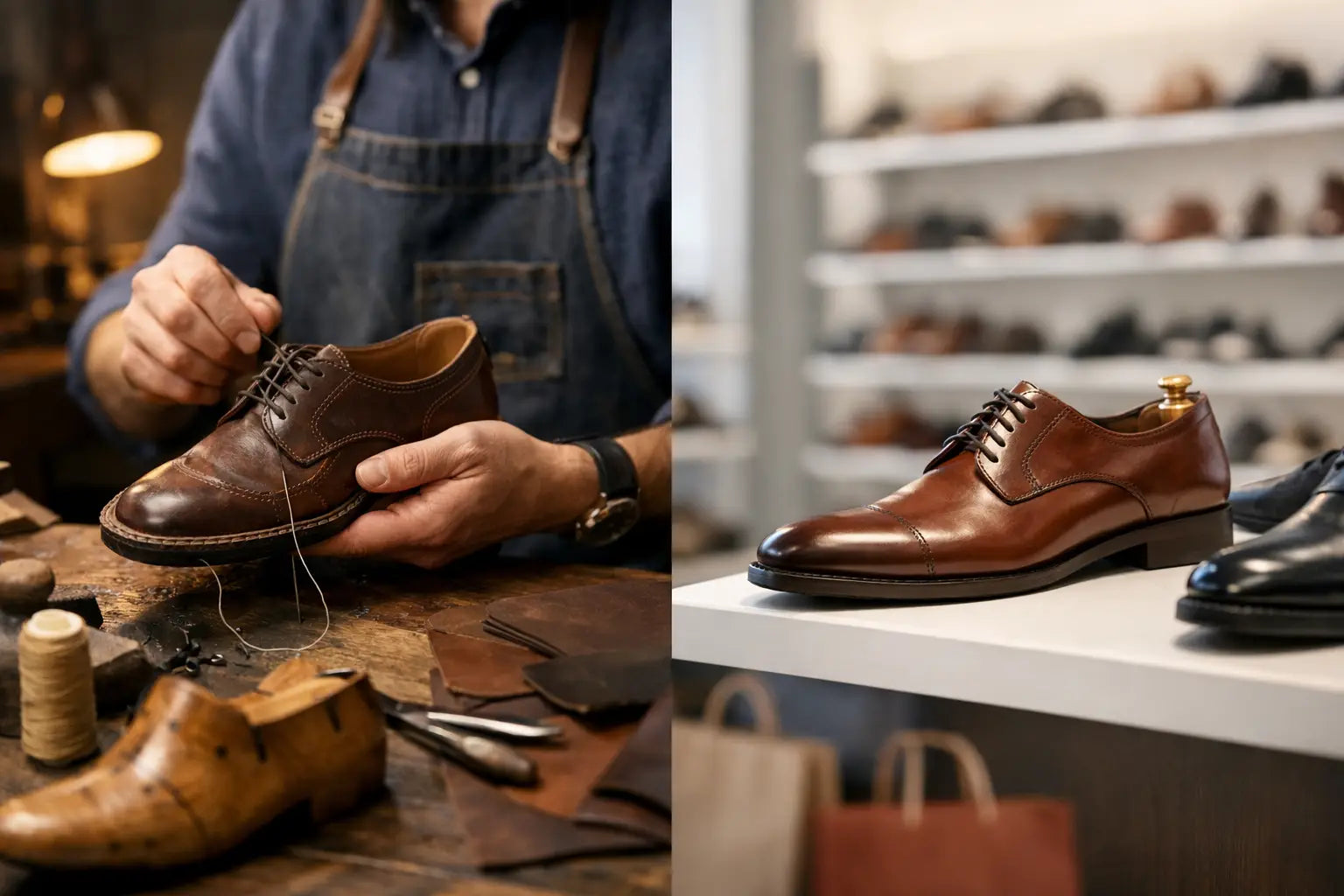
Retail shoes are designed for inventory. Even at the luxury level, they are produced around standard size runs, seasonal demand, and merchandising logic. They are made to appeal to many women at once, which is why they often succeed on visibility, trend relevance, and convenience.
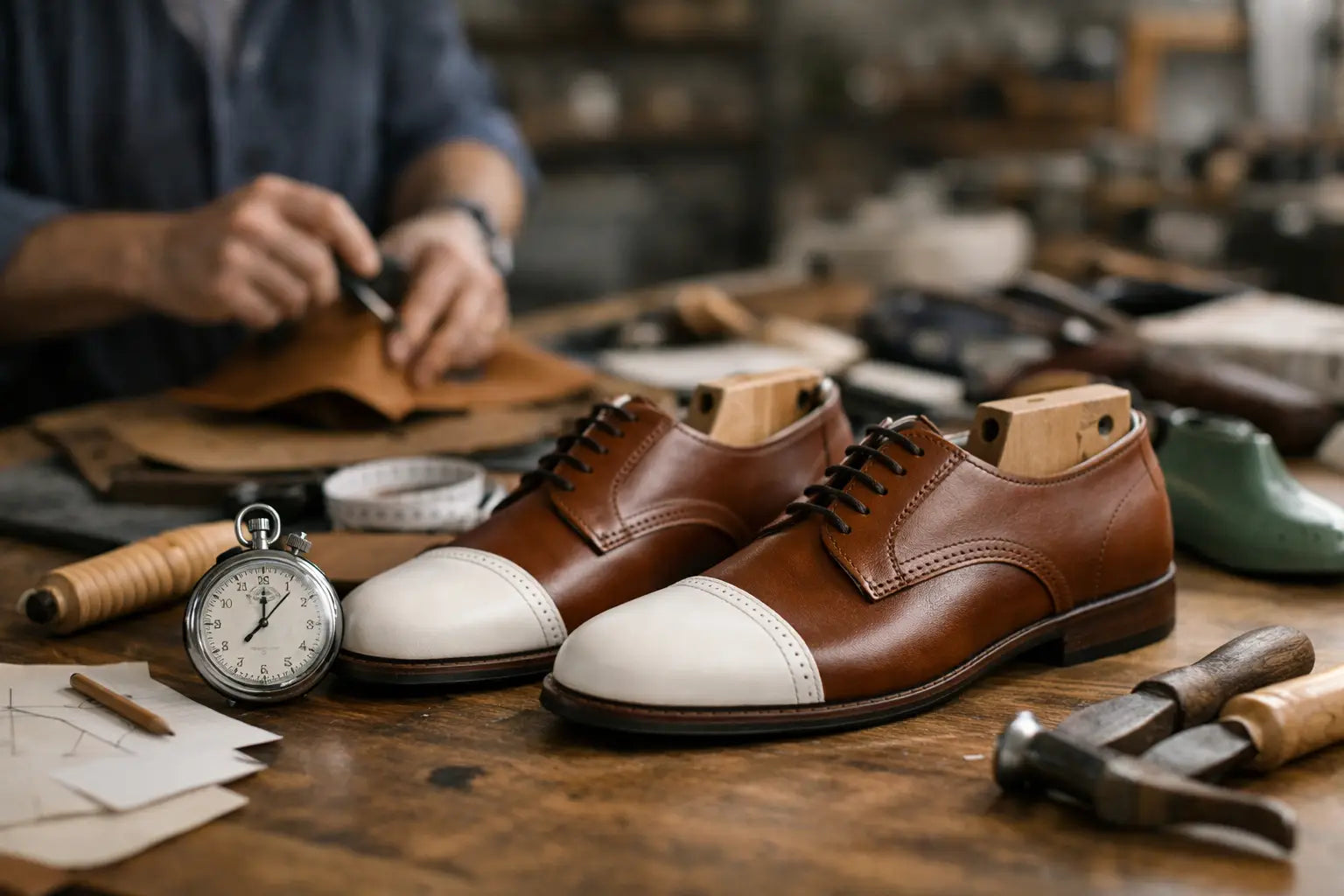
Made-to-order shoes begin from a different premise. They are produced after the order is placed, often with a higher degree of hand-finishing, material selection, and personalization. In a maison or atelier setting, the process feels less like purchasing stock and more like commissioning style. That shift changes everything from fit expectations to emotional value.
The contrast is especially apparent in evening heels, statement boots, and occasion footwear. These are not disposable purchases. They are part of a personal wardrobe language. If a retail shoe is ready for the shelf, a made-to-order shoe is ready for the woman who imagined it.
Why Retail Still Has Its Place
There is a reason retail endures, even for discerning clients. It offers speed. If you need a pair for an event next week, or you want to try a silhouette without waiting, retail is efficient. You can browse, compare, and buy on a timeline shaped by your calendar rather than a production schedule.
Retail can also be useful when your needs are straightforward. If your foot shape aligns comfortably with standard sizing and you are shopping for an everyday style with little need for personalization, a beautifully produced retail option may be entirely satisfying. Not every purchase needs to be ceremonial.
There is also the pleasure of immediacy. Fashion can be impulsive, emotional, and tied to a moment. Retail serves that instinct well. It lets you respond quickly to a trip, an invitation, or a sudden desire for something new.
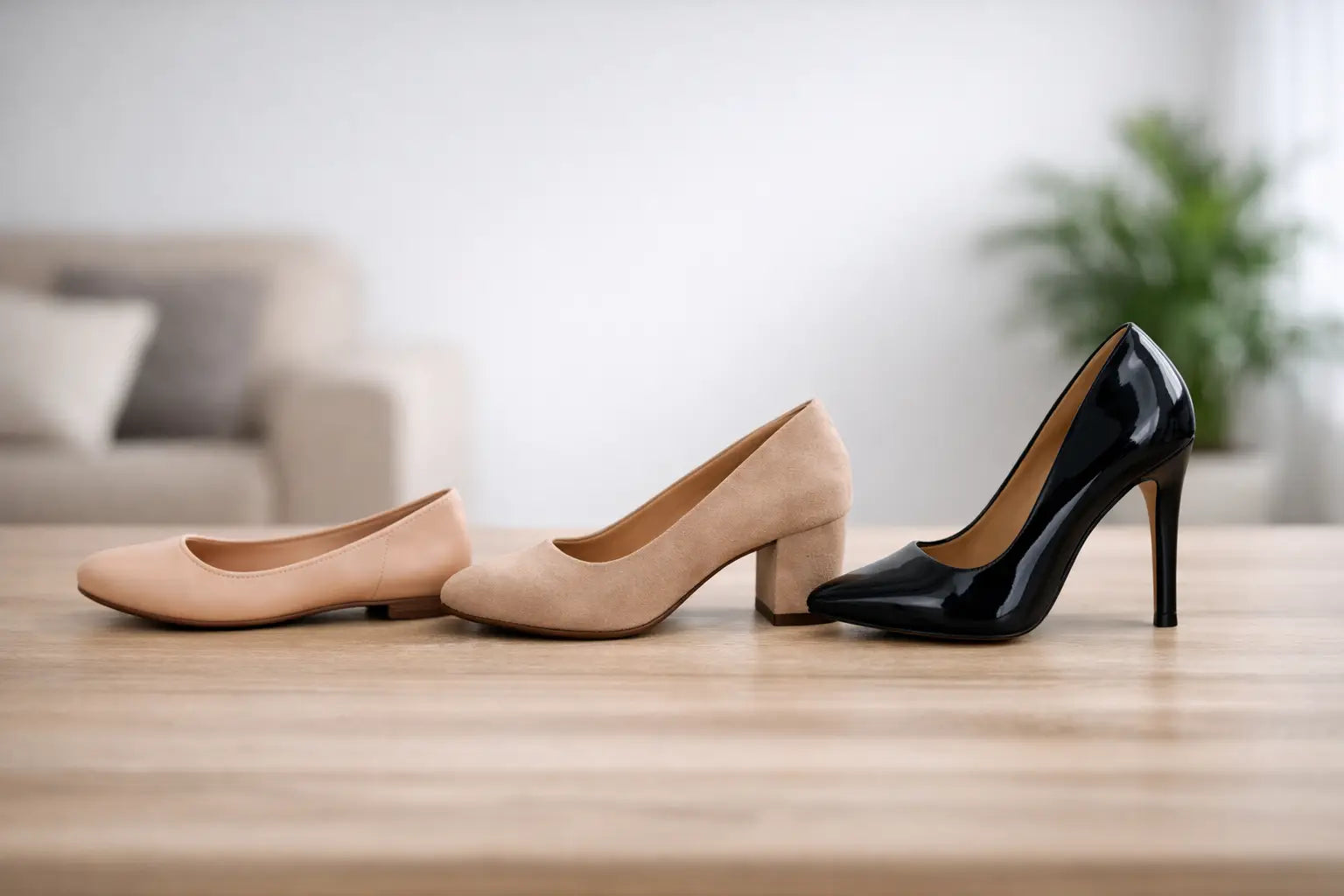
Still, convenience has limits. Standardized design inevitably means compromise. If you have ever loved the line of a heel but disliked the pitch, admired the leather but not the color, or settled for a near-fit because the perfect fit was unavailable, you have already felt the boundary of retail luxury.
Where Made to Order Becomes Irresistible
Made-to-order footwear answers the frustrations that retail often asks you to tolerate. The first is fit. Not every foot is best served by standard proportions, especially in high heels and sculpted boots where millimeters matter. A more individualized approach can create a cleaner fit through the arch, a more secure hold at the heel, and a more flattering line overall.
Then there is design control. The woman investing in luxury often knows exactly what she wants. She may want a sharper toe, a richer finish, a higher shaft, or a particular tone that suits her wardrobe rather than the season's buying plan. Made to order allows taste to lead, instead of inventory.
Craftsmanship is another dividing line. Because made-to-order production is not built around volume in the same way as retail, there is often greater attention paid to the final object. The result is not only visual. It can be felt in the balance of the heel, the hand of the leather, the precision of the finishing, and the quiet confidence of a shoe that does not look overexposed.
That last point matters more than many shoppers admit. Exclusivity is not vanity. It is refinement. In a luxury wardrobe, scarcity protects the feeling of discovery.
Fit is not just comfort
In luxury footwear, fit is aesthetic as much as practical. A shoe that fits beautifully changes posture, movement, and presence. It lets the silhouette read as intended. The leg looks longer, the foot looks more elegant, and the wearer appears more composed because she is not negotiating with discomfort.
Retail sizing can achieve this for some women, but not consistently for all. Made-to-order shoes are often better suited to clients who know that a half-size issue, width concern, or shape preference can make the difference between admiration and actual wear.
Personalization changes the relationship
There is also a deeper appeal to personalization. When a shoe reflects your choices rather than a market forecast, it becomes harder to replace and easier to cherish. It feels collected rather than consumed.
That is why made-to-order pieces often live longer in a wardrobe. They are selected with more care, worn with more intention, and remembered more vividly. Designed to be desired is one thing. Crafted to be remembered is another.
Made to Order Shoes vs Retail on Price and Value
The price conversation deserves honesty. Made-to-order shoes often cost more upfront, and for good reason. Smaller-scale production, specialized materials, handwork, and individualized service carry a different cost structure than stocked retail merchandise.
But luxury buyers rarely judge value by price alone. They judge by wear, distinction, and satisfaction over time. A retail pair that is purchased quickly, worn once, and forgotten in its box is not necessarily a better value than a made-to-order pair worn for years and associated with unforgettable moments.
Retail also carries hidden inefficiencies for some shoppers. The near-right purchase that requires insoles, repairs, stretching, or eventual replacement can become expensive in its own way. The same is true of repeat buying driven by compromise. When the first choice never feels quite right, the second and third purchases follow.
Made to order is rarely about saving money. It is about spending more precisely.
The Trade-Off Few Brands Mention
The strongest argument against made to order is time. Waiting is built into the experience. Production windows, material sourcing, and finishing schedules demand patience. If your purchase is tied to a strict deadline, retail may simply be the safer option.
There is also an emotional difference. Retail lets you try, compare, and walk away with a result. Made to order asks for conviction. You need to know your taste, your needs, and your priorities before the shoe arrives. For women who enjoy the certainty of immediate fitting-room decisions, retail can feel more reassuring.
On the other hand, that pause is part of the luxury. Anticipation has its own glamour. So does knowing the piece was not waiting in a stack of boxes for whoever came first.
Who Should Choose Which?
If your wardrobe is event-driven, your standards are exacting, and your eye is trained to notice line, finish, and rarity, made to order will often feel more aligned with the way you already shop. It suits the collector, the hostess, the bride, the executive, and the woman who wants her footwear to say something specific.
If your priority is speed, experimentation, or easy access to a trend-led silhouette for short-term wear, retail may be more practical. There is no shame in practicality. The mistake is assuming practicality and luxury always mean the same thing.
For many women, the answer is not one or the other. Retail can serve the spontaneous need. Made to order can serve the unforgettable one. The most sophisticated wardrobes often contain both, each chosen for the role it is meant to play.
The Luxury Standard Is Shifting
A decade ago, retail convenience often won by default. Today, clients are more selective. They want fewer pieces, better chosen. They want design that reflects identity, not just availability. They are less interested in buying what everyone recognizes and more interested in wearing what feels unmistakably their own.
That shift is why maisons such as Charlotte Luxury resonate with modern luxury buyers. The appeal is not only the shoe itself. It is the feeling of being considered in its making.
When deciding between made to order shoes vs retail, ask a more revealing question than which is better. Ask which experience belongs in your wardrobe. The pair you wear in a passing moment can come from the shelf. The pair that carries memory, confidence, and presence is worth waiting for.