
Luxury Footwear Personalization Trends to Know
A shoe may be admired across a room, but it is remembered in the details that belong only to its wearer. The most compelling luxury footwear personalization trends move beyond a monogram placed at the heel. They bring proportion, comfort, material, color, and private symbolism into one considered expression. For the woman who dresses with intention, personalization is no longer an added flourish. It is the point of difference.
A made-to-order shoe carries a different kind of presence. Its value is not measured only by rarity, though rarity matters. It lies in the sense that the design has been shaped around a life, an occasion, and a personal vision of elegance.
Luxury Footwear Personalization Trends: Beyond the Initial
For years, luxury personalization was often understood as visible branding: initials, engraved hardware, or a choice of color. Those elements still have a place, particularly when they are executed with restraint. Yet the modern client increasingly seeks something more intimate. She wants a shoe that feels unmistakably hers without necessarily announcing why.
This shift has elevated discreet signatures. A contrasting lining in a favorite shade, a date embossed inside the shoe, a meaningful phrase beneath the tongue of a boot, or a crystal detail placed where only the wearer knows to look can turn footwear into a personal keepsake. These choices have emotional weight because they reward closeness rather than public recognition.
The appeal is especially strong for bridal shoes, milestone celebrations, gala dressing, and gifts that mark a significant moment. A pair of heels worn for a wedding may hold a wedding date within its construction. A boot commissioned for an anniversary may feature a lining selected to echo a first evening dress. The shoe becomes part of the memory, not merely part of the outfit.
Fit Has Become the Most Desirable Custom Detail
A beautiful silhouette is only as persuasive as the way it carries the body. This is why fit-focused customization is among the most meaningful developments in bespoke footwear. Affluent clients have become less willing to accept the old compromise between dramatic design and physical ease. They expect both.
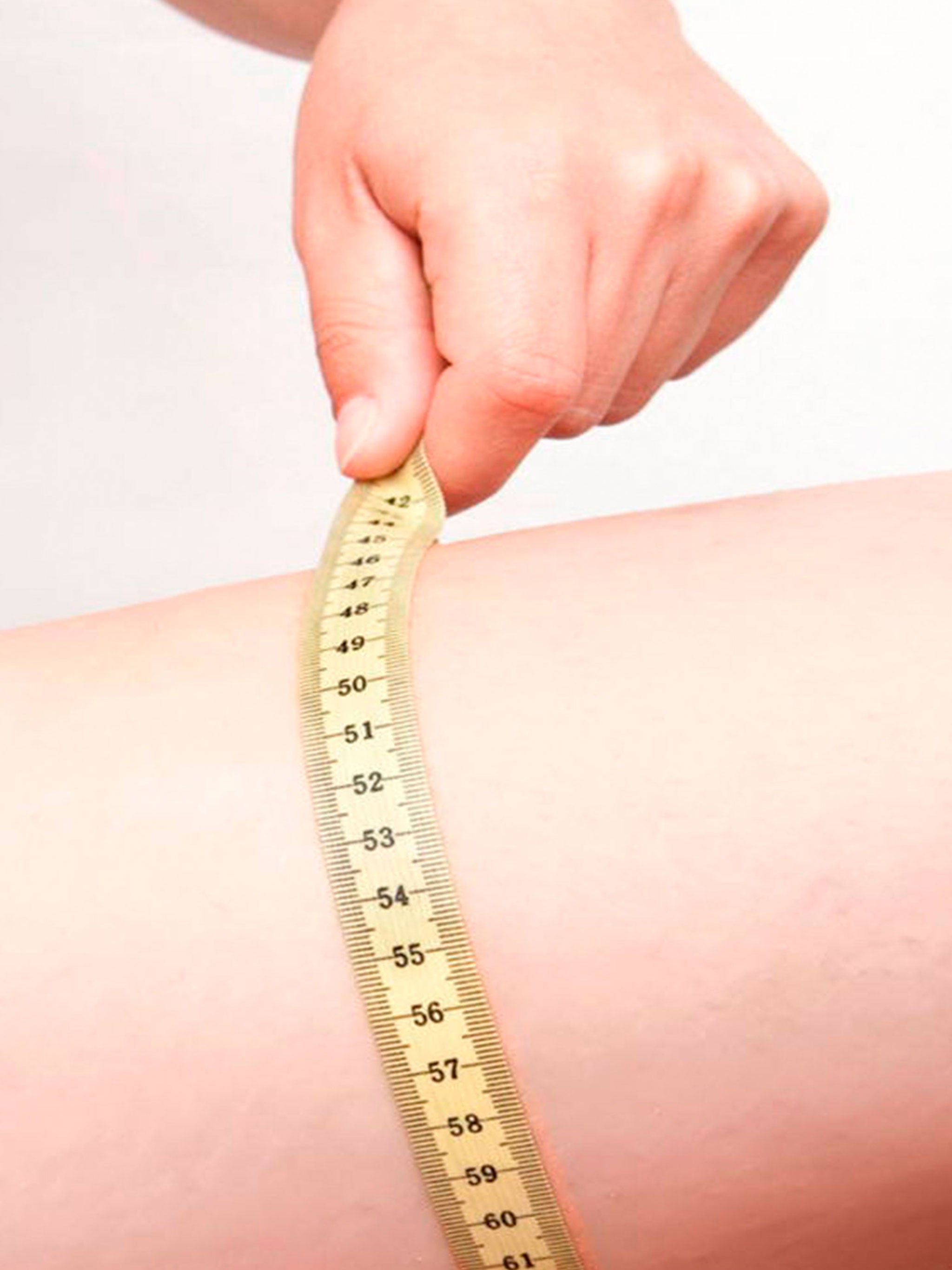
Personalized fit can involve adjustments to width, instep volume, calf circumference, ankle shape, toe-box room, or strap placement. Heel height can also be considered with greater precision. A dramatic stiletto may be right for a brief entrance and formal photographs, while a slightly moderated height can create greater confidence through a long dinner, reception, or evening event.
There is no single ideal specification. A woman with a narrow heel may need additional security at the back, while another may prioritize more space through the forefoot. The most refined approach begins with how the shoe will be worn. Will it accompany a ceremony, a dance floor, a boardroom, or a winter city weekend? The answer should shape the design as much as the sketch does.
Color Is Becoming More Personal and Less Predictable
Black, ivory, metallic gold, and rich red remain timeless choices for good reason. They offer clarity and impact. But one of the more expressive luxury footwear personalization trends is the movement toward nuanced, personally chosen color.
Think deep mulberry instead of standard burgundy, powdered rose rather than conventional nude, or a blue-green satin selected to complement a family jewel. These shades feel more intentional because they are not chosen from a trend cycle alone. They are selected for a complexion, a wardrobe, a season, or a particular emotional resonance.
Custom color also invites a more sophisticated approach to coordination. Rather than matching a dress exactly, a bespoke shoe can create tension with it: a tobacco suede heel beneath an ink silk gown, a pale lilac pump against a sharply tailored cream suit, or black patent boots with an unexpected wine-colored sole. The result is polished without becoming predictable.
For clients commissioning shoes for one defining occasion, color can be wonderfully specific. For those building a lasting wardrobe, the wiser choice may be a shade with range. A highly unusual tone can make a breathtaking statement, but it may limit future wear. The atelier conversation should be honest about whether the goal is a single unforgettable appearance or a piece designed to return season after season.
Material Choices Are Telling a More Personal Story
Material is where visual desire meets touch. The grain of leather, the light on satin, the depth of velvet, and the quiet luster of metallic finishes all alter a shoe's character. Personalization increasingly means selecting materials for their sensory and stylistic meaning, not only their appearance in a product image.
A polished leather pump suggests precision and permanence. Soft suede brings a more intimate, velvety mood. Satin has ceremonial romance, while textured finishes can lend a sculptural, fashion-forward edge. Combining materials offers another level of expression: a smooth leather body with a suede bow, or a satin heel framed by tonal leather piping.
The trade-off is practical as well as aesthetic. Delicate satin rewards careful wear and thoughtful storage, especially in wet weather or crowded settings. Suede can be exquisite but requires protection from moisture and friction. Leather often offers the greatest versatility and can develop a handsome character over time. Luxury is not the absence of care. It is the pleasure of choosing a piece worth caring for.
Sculptural Details Are Replacing Excess Decoration
Personalization does not require more embellishment. Often, it requires better embellishment. The most modern custom shoes favor details with a point of view: a hand-placed crystal arrangement, a distinctive buckle, a curved heel, a tonal bow, or a sharply considered strap line.
This is a significant distinction. Decoration can be beautiful, but it must belong to the architecture of the shoe. A jewel detail should frame the foot or catch the light with purpose. A bow should hold its shape and proportion. Hardware should feel like jewelry, not an afterthought.
The same principle applies to custom boots. A tailored shaft, a precise line at the ankle, and a heel shape that complements the wearer can be more arresting than excessive ornament. When the construction is right, the shoe has authority before it asks for attention.
The Return of the Private Detail
There is particular elegance in a detail kept for the wearer alone. Hidden inscriptions, personalized linings, and small interior accents allow a shoe to preserve its secret. This makes the piece feel more couture, more personal, and less dependent on a visible logo for its meaning.
For a gift, private details are especially powerful. They transform a beautiful object into a gesture with permanence. A name may be appropriate, but a shared phrase, meaningful date, or symbolic color often feels even more considered.
Personalization Is Shaping a More Considered Luxury Wardrobe
The desire for custom footwear also reflects a wider change in how luxury clients are buying. There is less appetite for disposable novelty and more interest in pieces with a clear place in a wardrobe. A made-to-order shoe asks the wearer to pause, consider, and choose with greater care.
That does not mean every pair must be neutral or restrained. Statement shoes still have their place. A crystal-encrusted evening sandal or a dramatic thigh-high boot can be exactly right when it reflects the wearer rather than a passing impulse. The question is whether the piece will continue to feel like her after the occasion has passed.
For some, the ideal bespoke collection begins with one endlessly useful silhouette, perhaps a pointed-toe pump or refined ankle boot, customized in a signature material and fit. Others may begin with the shoe for a life-defining event. Both approaches are valid. The most luxurious wardrobe is not the largest one. It is the one in which every piece feels chosen.
What to Consider Before Commissioning a Pair
The strongest custom order begins with clarity. Consider the setting, the garments the shoes will meet, the hours they will be worn, and the kind of impression they should leave. Bring a point of view, but allow room for expert guidance. An atelier can refine a color choice, recommend a more flattering line, or suggest a construction detail that protects comfort without compromising the design.
It is also wise to distinguish between a shoe intended for photographs and one intended for sustained wear. A breathtakingly high heel may suit a brief formal appearance, while a lower or more balanced construction may serve better for an entire evening. Neither choice is more luxurious. The luxury lies in choosing honestly.
At Charlotte Luxury, personalization is best understood as a dialogue between desire and craftsmanship. The finished pair should not feel customized for the sake of customization. It should feel inevitable, as though no other shoe could have carried the moment with quite the same grace.
Choose the detail that speaks most clearly to your story, then let the rest of the design hold it with restraint. That is how footwear becomes more than an accessory: it becomes a signature, made to be worn and remembered.