Women's Bespoke Footwear Guide
A remarkable shoe changes the way a woman enters a room. Not simply because it is beautiful, but because it feels entirely her own. That is the promise at the heart of a women's bespoke footwear guide - not more choice for the sake of choice, but a more exacting kind of luxury, where silhouette, fit, material, and intention align.
For women who have outgrown the compromises of standard sizing, bespoke footwear offers something rarer than novelty. It offers precision. The right heel height can lengthen the line of the leg without punishing the foot. The right last can hold the arch correctly, prevent slipping at the heel, and create that elusive sense of balance that ready-to-wear shoes often miss. In luxury, comfort is not a concession. It is part of the design.
What a women's bespoke footwear guide should help you decide
Bespoke is often used loosely in fashion, yet true customization exists on a spectrum. At one end, there is made-to-order, where a signature design is produced for you in a chosen material, color, or finish. At the other, there is a more atelier-led experience, where the shoe is refined around your measurements, preferences, and visual direction.
The difference matters. If your priority is speed and access to a proven silhouette, made-to-order may be ideal. If your priority is resolving fit frustrations or creating a highly personal statement piece, a more bespoke process is worth the patience. Neither approach is inherently superior. It depends on whether you want interpretation or precision.
A well-considered custom order begins with three questions. Where will you wear the shoe? How long do you need to stay in it comfortably? And what should the shoe say before you say a word? Evening sandals, sharply cut pumps, sculptural boots, and ceremonial styles each ask different things of the foot and the wardrobe.
Start with fit, not fantasy
The most seductive design can disappoint if the fit is careless. Luxury clients know this instinctively. A shoe may photograph beautifully and still fail within minutes if the toe shape is too shallow, the pitch too aggressive, or the width too narrow through the forefoot.
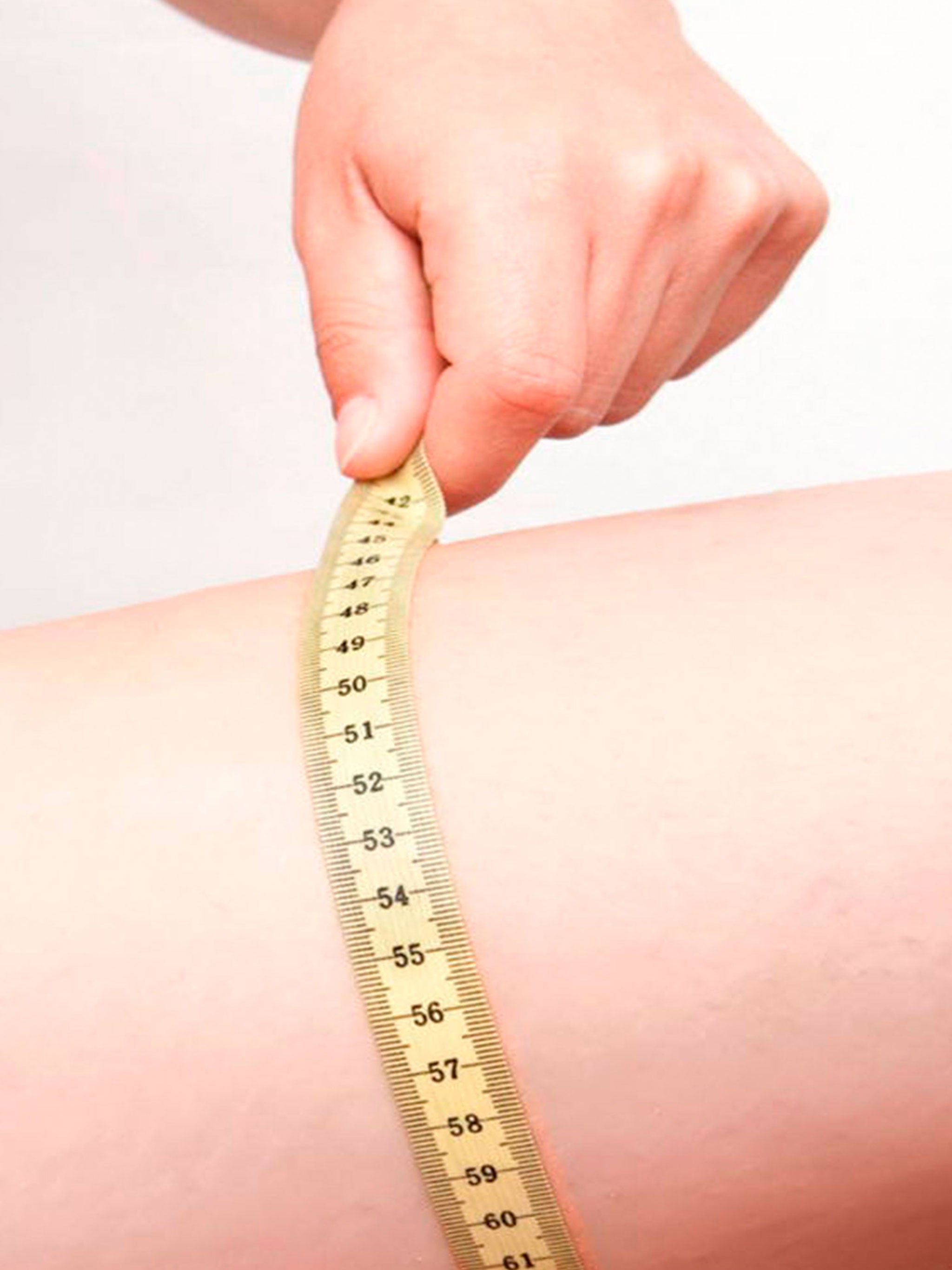
When considering bespoke footwear, begin with the architecture of your foot. Width, arch height, toe shape, instep volume, ankle support, and gait all influence how a shoe should be built. Women with narrower heels often struggle with slipping in standard pumps. Women with fuller forefeet may size up to gain room, only to lose support elsewhere. Bespoke design addresses these imbalances with intention rather than guesswork.
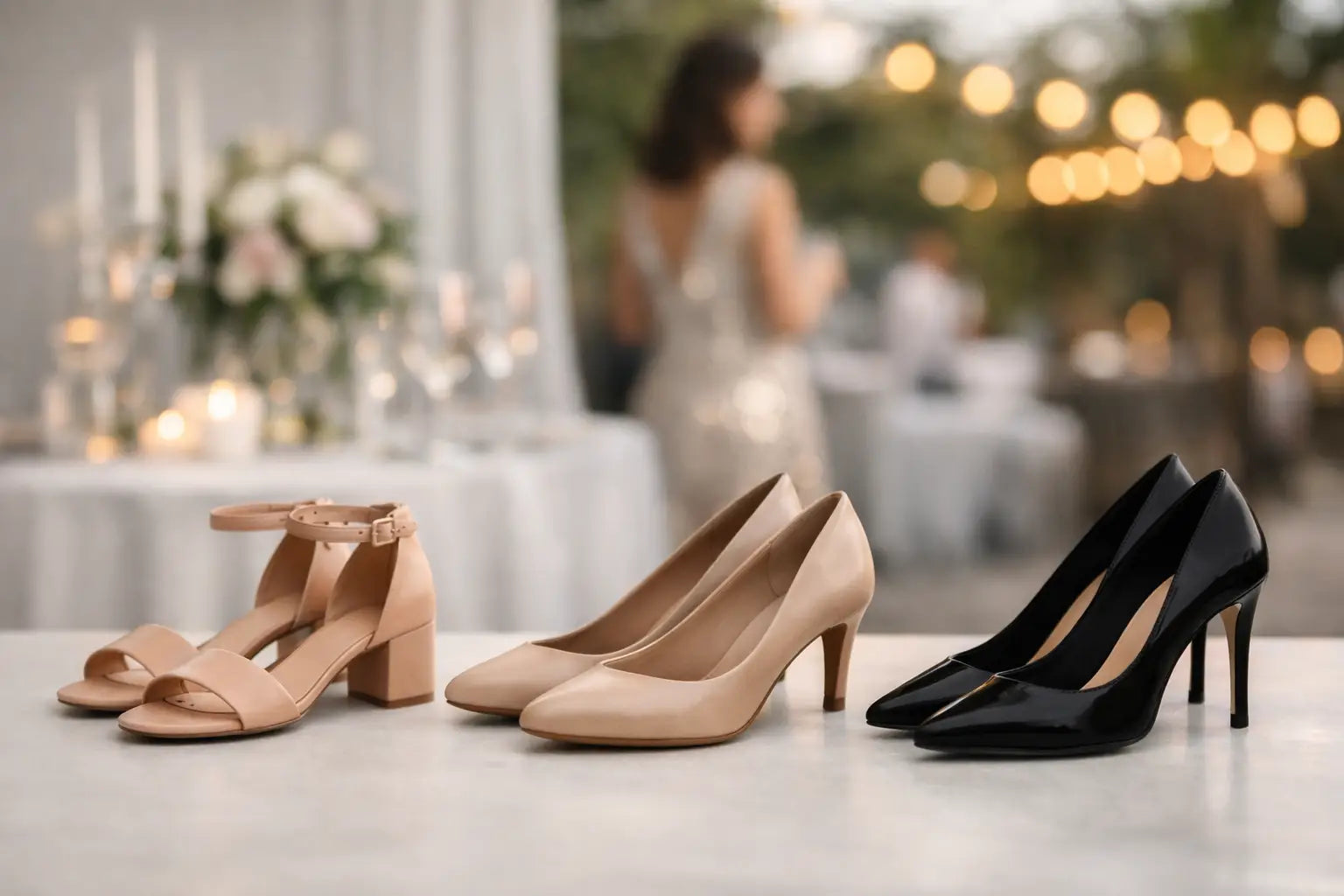
Heel height deserves equal honesty. Many women ask for the tallest heel they admire, when the wiser choice is often the heel they can wear beautifully for hours. A 4-inch stiletto can be breathtaking, but not every event requires that degree of drama. A slightly lower heel, if better balanced, can appear even more elegant because the wearer moves with assurance rather than caution.
This is where a maison-level approach becomes distinct. It does not merely ask what you want the shoe to look like. It asks how you want to feel in it.
Materials define more than appearance
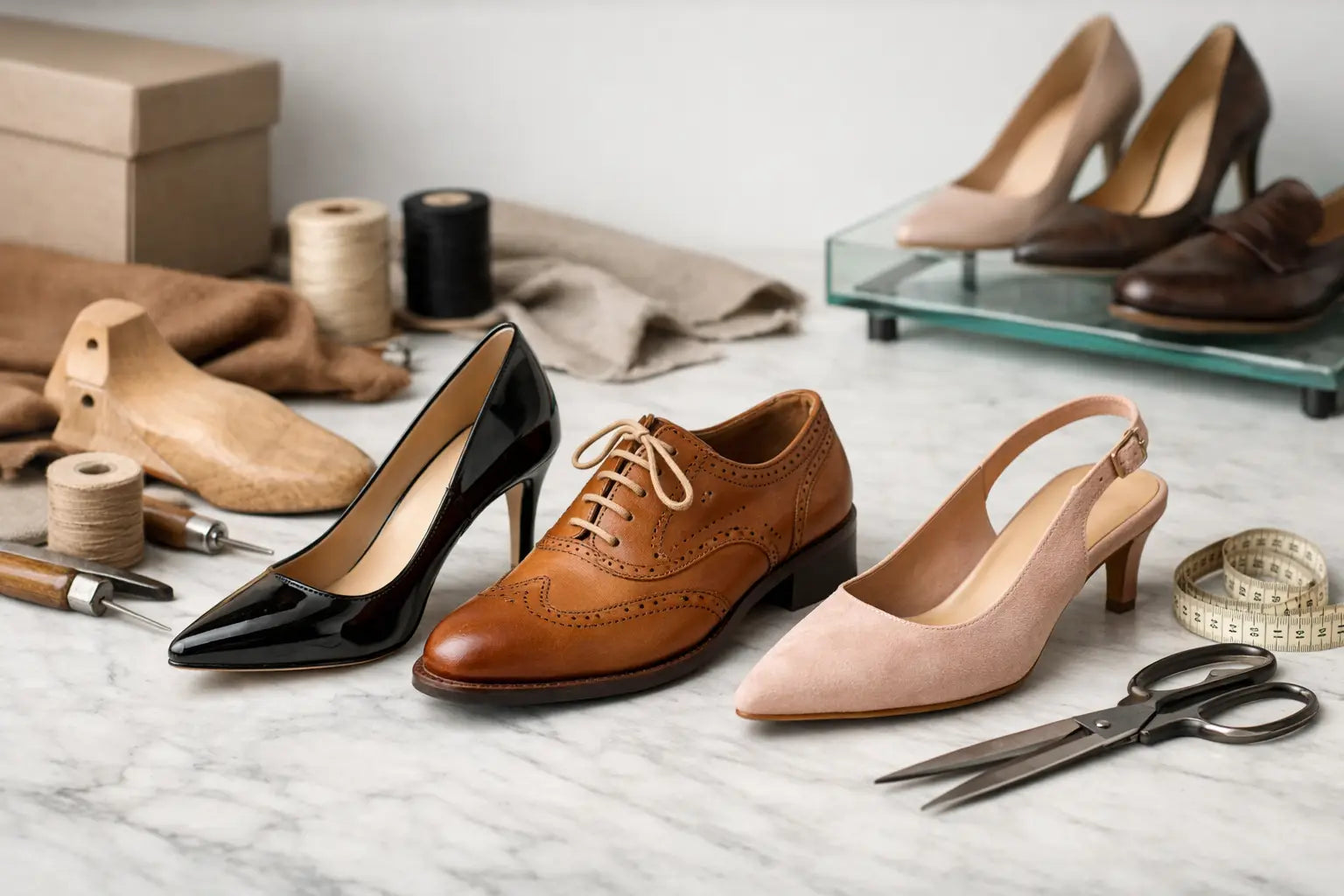
In luxury footwear, material is never a surface decision. Satin reflects light differently from patent leather. Suede softens the line of a silhouette. Metallic finishes create presence from a distance, while fine calfskin delivers a quieter kind of authority. Texture changes mood, but it also changes performance.
Leather tends to mold and age with grace when cared for properly. Satin is exquisite for evening and occasion dressing, though more delicate and less forgiving around moisture or abrasion. Velvet can feel sumptuous and distinctive, yet it suits certain settings better than others. Exotic textures or embellished finishes can create unforgettable impact, but they require clarity of purpose. A shoe designed to be remembered still needs a life beyond a single photograph.
Color, too, is strategic. A deep black pump can be severe or devastatingly chic depending on the last and heel. Nude tones can elongate the leg, though the right nude is highly personal and should harmonize with skin tone rather than follow a generic label. Jewel tones, winter whites, and rich metallics often become signature pieces precisely because they feel less expected than basic neutrals.
If you are investing in custom footwear, choose materials that support how often and where you intend to wear them. Fantasy has its place. So does discernment.
Designing for occasion, wardrobe, and permanence
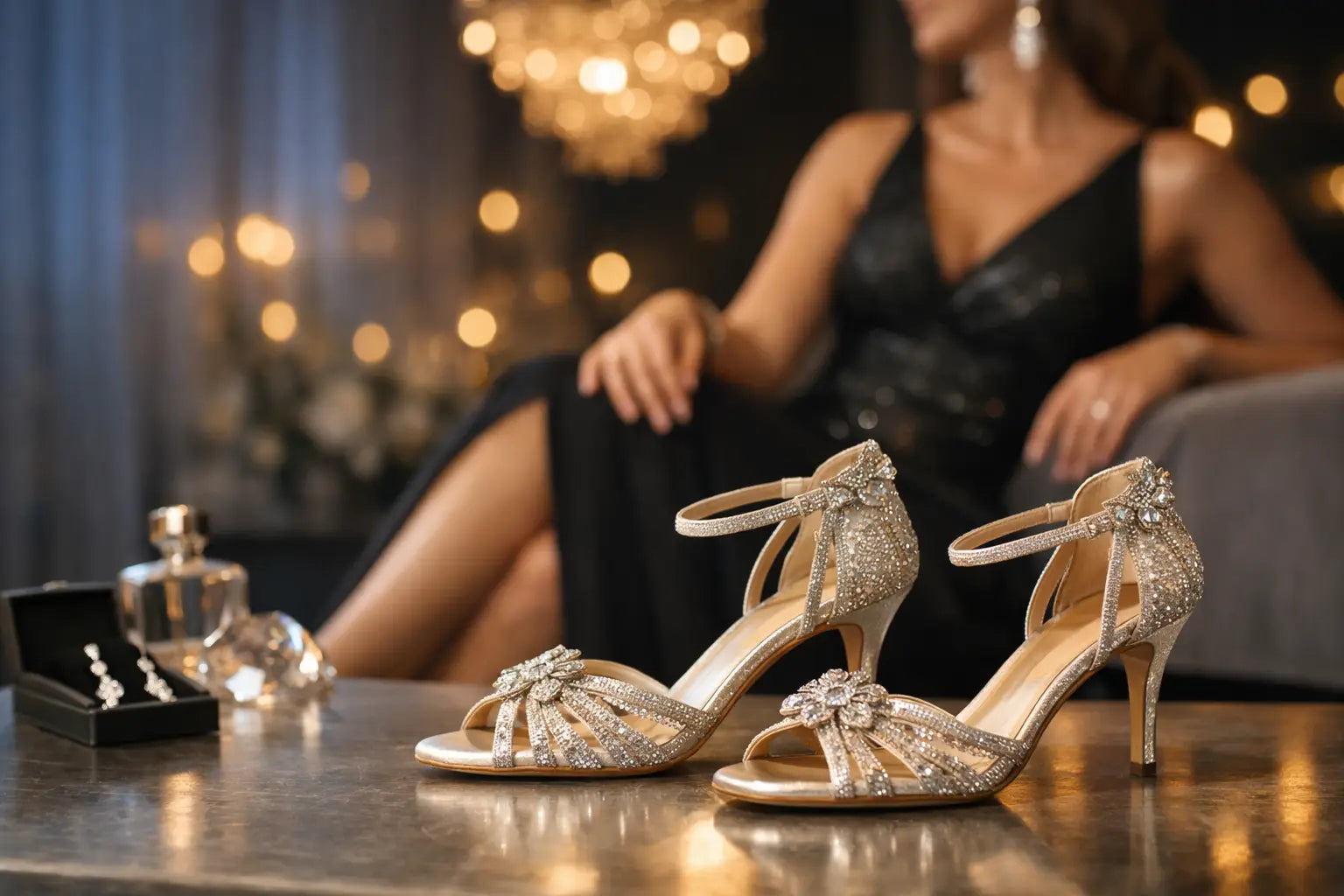
A bespoke shoe should not exist in isolation. It should converse with the wardrobe that surrounds it. For some women, that means an evening heel created for galas, weddings, or black-tie dinners. For others, it means a commanding boot that sharpens tailoring and carries authority through the season.
Occasion matters because it determines pressure points in both style and function. A bridal or event shoe may prioritize visual drama, fine detailing, and emotional significance. A frequent-wear heel for dinners, business events, or private gatherings may need a more versatile shape, superior lining comfort, and a finish that endures repeated wear.
This is why the strongest bespoke choices often balance statement with continuity. The most memorable custom shoe is not always the most ornate. Often, it is the one that reflects a woman so precisely that it feels inevitable on her - the pointed pump with the exact pitch she prefers, the knee-high boot cut to flatter the leg line, the sandal that reveals just enough and never too much.
Charlotte Luxury understands this tension well: desire must be immediate, but wearability must last. A shoe can be unapologetically sensual and still deeply considered.
The details that separate custom luxury from decoration
Luxury is not excess. It is restraint applied with intelligence. In bespoke footwear, this becomes clear in the details: the shape of the toe, the curve of the vamp, the placement of a strap, the proportion of the heel, the feel of the lining against the skin.
Customization should sharpen the design, not overcrowd it. Monograms, crystal embellishment, contrast piping, unusual hardware, and personalized finishes can all be striking, but only when they serve the silhouette. If every element competes, the result loses authority.
The more sophisticated approach is often to personalize one or two aspects with confidence. A signature color. A sculpted heel. A custom shaft height on a boot. A specific leather chosen to echo a favorite handbag or glove. These decisions create intimacy and distinction without sacrificing polish.
There is also emotional value in custom detail. Bespoke footwear often marks a milestone - a wedding, a promotion, a celebration, a return to self after a life change. When the design carries memory, it becomes more than an accessory. It becomes part of personal history.
Timing, expectations, and the reality of made-to-order
True custom work asks for patience. That is not a drawback. It is part of the privilege. A shoe built with care, adjusted for preference, and finished to order cannot be treated like disposable fashion.
That said, expectations should be precise. Ask about production timelines, material availability, fit refinements, and what level of customization is actually included. Some houses offer visual customization only. Others include deeper fit accommodations. The experience should feel transparent and considered from the beginning.
There is also a practical trade-off to acknowledge. The more personalized the design, the less likely it is to be returnable in the way standard retail is. This makes early clarity essential. Measurements, reference images, intended use, and honest communication about comfort thresholds all help protect the result.
For the luxury client, this is less about restriction and more about participation. Bespoke is not passive shopping. It is collaboration.
Caring for bespoke shoes after the first wear
A beautifully made shoe deserves a proper afterlife. Care begins before visible damage appears. Store pairs in dust bags, use the correct support to preserve shape, and avoid wearing delicate styles in conditions that undermine the material. Fine leather benefits from regular maintenance. Satin and embellished styles benefit from caution and planning.
Rotation matters as much as cleaning. Even the most exquisitely made heel performs better when given rest between wears. Soles and heel tips should be monitored and refreshed before wear becomes destructive. Preventive care preserves both comfort and appearance.
Most of all, wear your bespoke shoes with intention. Luxury should never feel timid. A custom pair is not made to disappear into a closet as a relic of a purchase. It is made to complete an entrance, hold a memory, and return when the moment calls again.
The right bespoke shoe does more than fit. It confirms taste, presence, and self-knowledge in a single line. Choose the pair that feels less like an indulgence and more like recognition.