A Guide to Bespoke Shoe Pricing
Price becomes far more intriguing when a shoe is made for one woman rather than for a market. In any true guide to bespoke shoe pricing, the question is not simply why one pair costs more than another. The real question is what, exactly, you are paying to preserve - fit, rarity, labor, beauty, and the confidence of wearing something shaped around your life rather than pulled from a shelf.
Bespoke footwear sits in a different category from standard luxury retail. It is not priced like ready-to-wear because it is not made the same way, sold the same way, or worn the same way. A made-for-you heel or boot carries the imprint of decisions, revisions, materials, and human hands. That is where the difference begins.
What bespoke shoe pricing really includes
The price of bespoke shoes reflects far more than leather and hardware. It includes the architecture of the design, the expertise behind the pattern, the hours required to shape the silhouette, and the service built around the client. When a maison offers custom footwear, it is not merely producing a product. It is staging a private process.
That process often begins with consultation. Some clients arrive with a precise vision - a heel height, a toe shape, a color story, a particular mood for an event. Others come with a need that is less visible but equally important, such as a difficult fit, a desire for added comfort, or the wish for a statement shoe that does not feel generic. Bespoke pricing accounts for that translation from desire into design.
There is also the simple truth that low-volume craftsmanship is expensive. A factory line spreads cost across hundreds or thousands of pairs. Bespoke work does the opposite. Time, materials, and attention are concentrated into one pair, or a very limited run, which means the price reflects focus rather than scale.
A guide to bespoke shoe pricing by cost driver
The first driver is material quality. Fine calfskin, satin, suede, silk, metallic finishes, exotic skins where legally permitted, specialized linings, crystal embellishment, hand-applied trims, and custom dye work all shape the final cost. Not all luxury materials are priced equally, and not all of them behave the same way in construction. Some are beautiful but delicate. Others demand more time, more stabilization, or more hand-finishing to achieve the desired line.
The second driver is design complexity. A minimalist pump with a clean vamp and elegant proportions may appear simple, yet simplicity often requires exceptional precision. At the same time, a more elaborate shoe - perhaps with sculptural straps, intricate lace placement, embroidery, or a dramatic over-the-knee boot shaft - introduces additional labor and technical problem-solving. More components generally mean more pattern work, more fittings, and a greater chance of revisions.
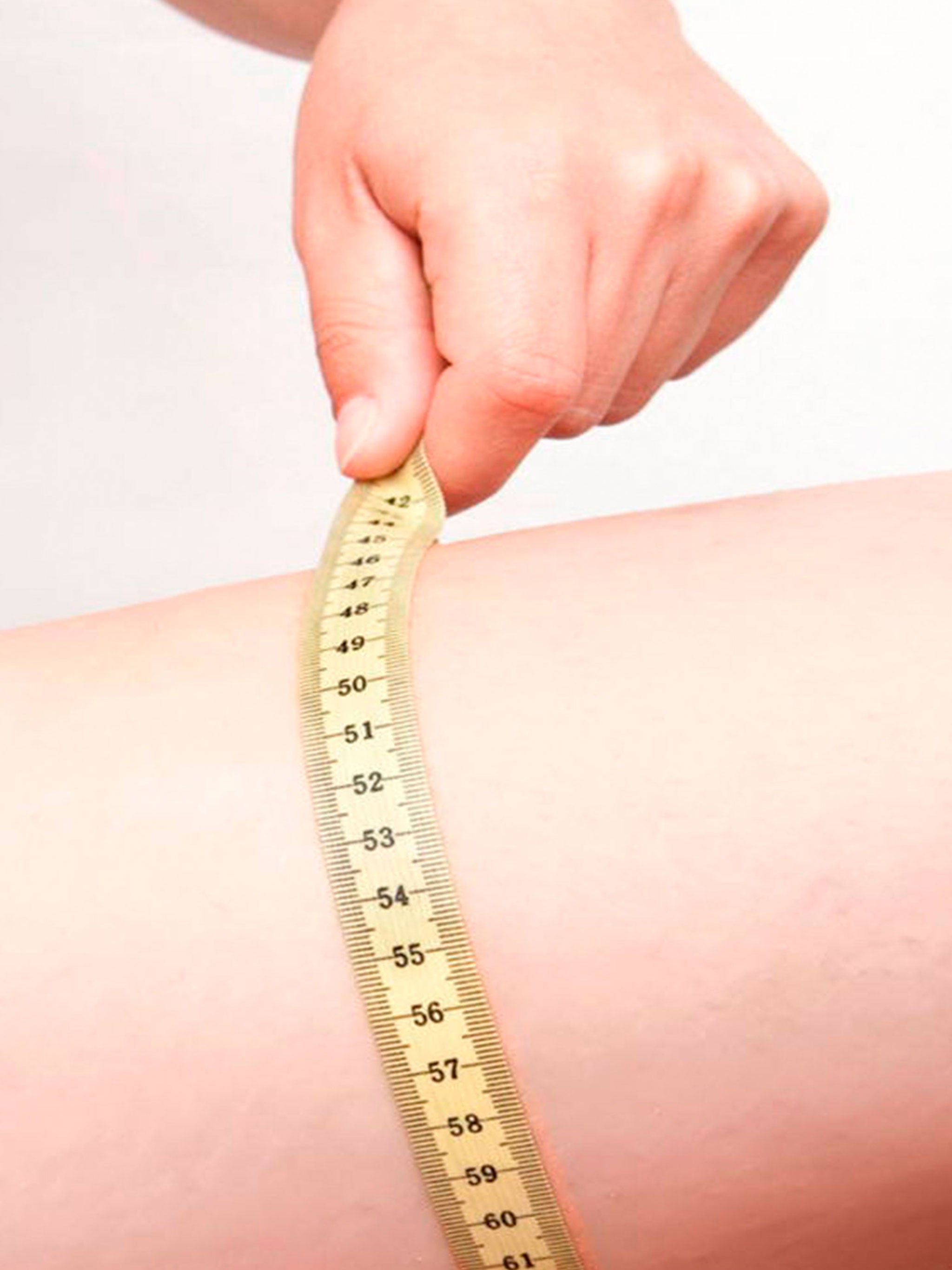
The third is fit development. This is often the least understood part of bespoke pricing and one of the most valuable. If your feet do not conform comfortably to standard sizing, bespoke footwear can address issues that mass luxury cannot. Width differences, arch support needs, bunion accommodation, calf measurements, asymmetry between feet, and balance adjustments all require careful adaptation. That work is invisible when done well, which is precisely why it matters.
Labor is the fourth and most defining driver. Hand-cutting, skiving, stitching, shaping, lasting, finishing, and quality control are skilled tasks performed by specialists. In a true atelier model, you are paying for artisanship that cannot be rushed without consequence. A shoe that must look poised and feel secure at the same time asks for technical mastery, not just decorative flair.
Bespoke, made to order, and custom are not identical
One reason pricing can feel confusing is that the language in luxury footwear is not always used with precision. Bespoke, made to order, and custom often overlap, but they do not always mean the same thing.
Made-to-order typically begins with an existing design that is produced after purchase rather than held in inventory. You may choose the size, finish, or a small number of options. Custom footwear usually adds a layer of personalization - perhaps a different heel height, material, color, trim, or monogram. Bespoke is the most individualized expression, often involving fit adaptation, design collaboration, and a more hands-on development process.
That distinction matters because it affects price. A made-to-order style can be relatively close to standard luxury pricing, while custom and bespoke work climb as the degree of intervention increases. The more the shoe is reimagined around the client, the more resources are involved.
Why one bespoke heel may cost twice as much as another
The short answer is that silhouette changes everything. A pointed pump, a platform sandal, a crystal-detailed mule, and a thigh-high boot do not require the same engineering. Height, coverage, balance, embellishment, and support all influence labor.
Boots, for example, often command higher prices because they require more material and more fitting precision, especially if the shaft is shaped to the calf or thigh. Evening shoes with hand-applied stones or delicate surface work can also rise quickly in price because embellishment is labor-intensive and difficult to standardize. Even an apparently modest change, such as adjusting heel pitch for comfort, may involve deeper structural work than a client expects.
There is also the question of development. If a design already exists and is being modified, pricing may be more contained. If a new silhouette is being built from the ground up, development costs are naturally higher. Originality has a price because invention takes time.
The service layer behind the number
In luxury, price also reflects experience. Consultation, design guidance, swatch selection, fittings, communication, packaging, and aftercare all shape the value of a bespoke order. This is not incidental. For many clients, the process is part of the pleasure.
A refined maison does not simply sell a shoe. It curates assurance. That may mean helping a bride find a heel that remains graceful through a full day of movement, or creating a pair for an event where every detail must feel singular. It may mean advising on materials that photograph beautifully under flash, or steering a client away from a choice that looks striking but wears poorly over time. Expertise protects beauty from regret, and that guidance belongs in the price.
How to judge whether bespoke shoe pricing is worth it
Worth is personal, but it should not be vague. Bespoke footwear makes sense when the client values a level of distinction, fit, and authorship that standard luxury cannot offer. If you want a beautiful shoe for occasional wear and you fit comfortably into conventional sizing, ready-to-wear may be perfectly satisfying. If you want a shoe to mark a moment, solve a persistent fit issue, or express a precise vision, bespoke begins to justify itself differently.
The best way to assess value is to ask what problem the shoe is solving. Sometimes that problem is practical - discomfort, instability, difficult sizing. Sometimes it is emotional - the desire for something no one else will have, or the wish to wear a piece that feels aligned with your identity rather than borrowed from a trend cycle. Both are legitimate reasons, and both influence whether the price feels excessive or exact.
It is also wise to ask what is included. Does pricing cover fittings or revisions? Are material upgrades priced separately? Is embellishment quoted as an addition? Is there a charge for custom lasts, special sizing, or expedited production? Bespoke is rarely one flat idea, so transparency matters.
A realistic way to think about investment
A guide to bespoke shoe pricing should leave room for nuance. The highest price does not automatically mean the best value, and the lowest bespoke quote is not always the wisest choice. What matters is the relationship between craftsmanship, design integrity, fit, and service.
For some women, the right bespoke shoe becomes a signature - worn for a defining event, preserved with care, and remembered long after the evening ends. For others, it becomes a functional luxury, a way to finally wear striking heels or tailored boots without compromise. In both cases, price is tied to what the shoe allows you to feel and do.
At Charlotte Luxury, that philosophy is understood as part of the object itself. A custom shoe is not only meant to be seen. It is meant to carry presence, precision, and memory.
When you encounter bespoke pricing, resist the impulse to compare it too quickly with standard retail. Ask instead whether the shoe was designed for inventory or for you. That answer usually tells you everything worth knowing.