
Can Custom Heels Fix Fit Issues? What to Expect
A beautiful heel should command attention for its line, its finish, and the way it changes your posture - not for the discreet calculations required to survive an evening in it. So, can custom heels fix fit issues? Often, yes. But the most meaningful answer lies in understanding which part of the fit is failing, and what a made-to-order process can genuinely refine.
A bespoke heel is not simply a standard shoe offered in a wider range of colors. It is an opportunity to consider the foot as it is: its width, volume, arch, proportions, sensitivities, and the way it moves. When those details shape the design from the beginning, comfort and presence no longer need to feel like opposing desires.
Can Custom Heels Fix Fit Issues at the Source?
Many fit frustrations begin with the compromise built into standard sizing. Ready-made shoes are produced around averaged measurements. They may account for length and a general width, but they cannot always accommodate a narrow heel with a fuller forefoot, a high instep, a low-volume foot, or a pronounced arch. A woman may wear the same labeled size across several brands and still encounter slipping, pinching, pressure at the ball of the foot, or a heel cup that feels detached from her stride.
Custom heels can address these issues by adjusting the dimensions that a standard size chart leaves untouched. The length may be accurate while the toe box is shaped with more room. The heel counter may be refined for a closer hold. The vamp can be considered in relation to the instep, while straps can be placed to secure the foot rather than merely decorate it.
That distinction matters. A shoe that is too loose encourages gripping with the toes, which can create fatigue and instability. A shoe that is too narrow can create friction, numbness, and an unflattering break across fine leather or satin. The goal is not a shoe that feels soft in the box. The goal is a shoe that holds the foot with composed, intelligent precision once you are standing, walking, and turning toward the room.
The fit issues custom work can improve
Custom construction is especially valuable when the difficulty is structural rather than temporary. A client whose feet differ slightly in size, for example, may benefit from individual adjustments. Someone with a narrow ankle may need a more exact strap length and placement. A fuller forefoot can require a roomier fit at the toe without sacrificing a sleek silhouette through the heel.
It can also help when the shape of the shoe is the issue. A pointed toe, sculptural sandal, ankle boot, or dramatic pump places pressure in different areas. The right last, the form around which a shoe is built, can create a more flattering and more forgiving relationship between the foot and the design.
Custom is not a promise that every foot concern disappears. Medical conditions, significant swelling, acute pain, or orthopedic requirements deserve guidance from a qualified clinician or podiatrist. Bespoke footwear can complement comfort needs, but it should not be presented as medical treatment.
What Bespoke Measurements Actually Change
The romance of custom footwear begins with the visual choice: the height, the material, the tone of polished hardware, the curve of a heel. The essential work, however, happens in the measurements and fitting conversation.
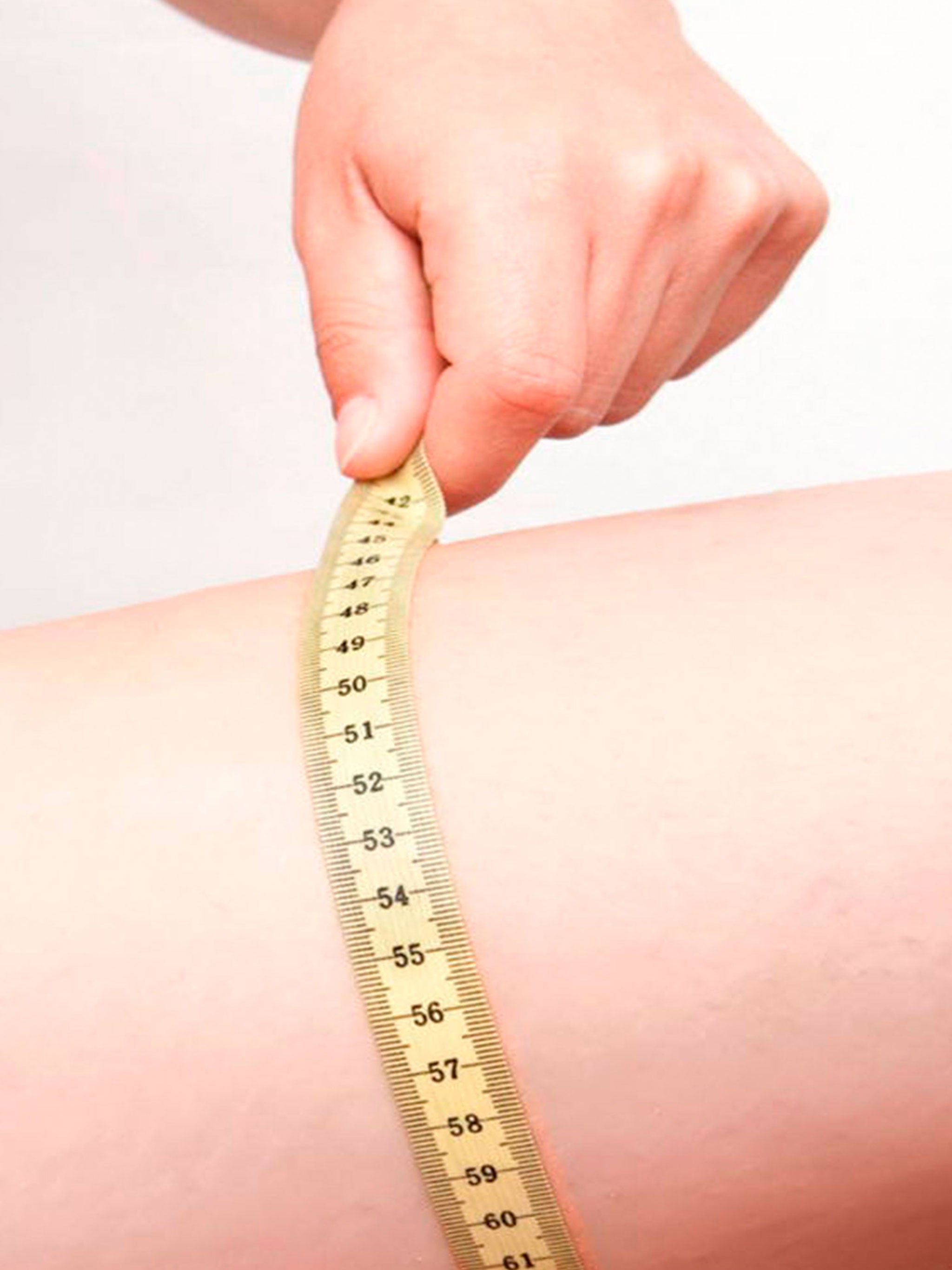
A considered process looks beyond shoe size. It may account for foot length, width at key points, instep circumference, heel width, ankle shape, arch profile, and whether one foot differs from the other. It also considers where you intend to wear the heels. A pair designed for a ceremony and a series of photographs has different demands than one intended for a long dinner, a gala floor, or a full day of arrivals and appointments.
Material plays a decisive role. Fine leather may soften and adapt with wear, while structured satin, metallic finishes, and certain embellished textiles have far less give. A design that feels ideal in supple leather can behave differently in a rigid, high-shine fabrication. This is not a flaw. It is part of the architecture of luxury footwear, and it should inform both fit allowance and styling decisions.
The heel height deserves the same honesty. A precise fit can reduce unwanted movement and pressure, but it cannot erase the physics of a very high heel. As pitch increases, more body weight moves toward the forefoot. A custom design may improve support, balance, and hold, yet the most wearable height remains personal. The most captivating pair is the one that lets you move with authority rather than caution.
Fit Is More Than a Measurement
A heel can match every numerical measurement and still feel wrong if its proportions do not suit the wearer. This is why craftsmanship is not merely technical. It is perceptive.
Consider a slingback that slips. The issue may be the strap length, but it may also be the angle of the strap, the depth of the heel cup, or the way the foot advances as weight shifts forward. Consider a pump that cuts into the top of the foot. The issue may be a low vamp, a high instep, an unforgiving material, or a last whose curve does not reflect the client’s arch.
A made-to-order atelier can assess these relationships before the final shoe is completed. The conversation is as valuable as the measuring tape. Mention the shoes you reach for repeatedly, the styles that remain untouched, the point in the evening when discomfort begins, and whether you tend to slip forward or feel pressure in one specific place. These are not minor preferences. They are design intelligence.
At Charlotte Luxury, the made-to-order approach honors that intelligence. A statement heel should retain its drama while feeling personal in the most practical sense: it should belong to the woman wearing it.
Choosing the Right Customization for Your Needs
Not every concern requires an entirely bespoke shoe. If your fit issue is modest, a made-to-order option with selected width, strap, material, or sizing adjustments may be enough. If you regularly struggle with pronounced asymmetry, unusual proportions, or persistent pressure across multiple shoe styles, a deeper custom process is likely more worthwhile.
Before commissioning a pair, be clear about the role it must play in your wardrobe. A crystal-detailed sandal for a wedding weekend can prioritize elegance and secure placement over all-day walking. A refined leather pump for professional events may call for a more moderate pitch, a stable heel base, and a toe shape that remains composed through hours of wear. Neither choice is more luxurious. Luxury is choosing with intention.
It is also wise to allow time. Fine footwear is not improved by haste. Measurements, material selection, construction, and any fitting refinement deserve room in the process. A shoe made for a defining occasion should arrive with enough time for a careful indoor wear test on clean, protected surfaces.
A more honest definition of comfort
Comfort in high heels does not mean forgetting that you are wearing heels. It means the shoe is not fighting you. Your heel remains held, your toes are not crushed, your foot is not constantly sliding forward, and your stride retains its natural confidence.
The fit should feel secure without being restrictive. A little structure is often desirable in a new luxury shoe, particularly in materials that will settle gently with wear. Yet sharp pain, tingling, persistent rubbing, or immediate instability are not signs that a pair simply needs to be broken in. They are signals to reassess the fit.
The lasting value of custom heels is not only relief from a frustrating size chart. It is the rare confidence of wearing something designed around your proportions, your plans, and your point of view. Choose the silhouette that makes the memory, then give it the fit worthy of the occasion.