
Best Luxury Boots for Winter Worth Wearing
A winter boot earns its place the moment it changes the line of an entire look. The best luxury boots for winter do more than protect against the cold: they lengthen the leg beneath a wool coat, bring intention to knitwear, and make even the simplest black trousers feel composed. The right pair is not an afterthought. It is the silhouette that carries the season.
For a wardrobe built around pieces with presence, winter footwear should balance visual drama with the realities of movement, weather, and long days. A beautiful boot that stays unworn because the shaft pinches, the heel is too delicate, or the sole slips on a wet sidewalk is not a luxury. It is a missed occasion.
What Makes a Winter Boot Truly Luxurious
Luxury begins with material, but it does not end there. Fine full-grain leather develops a rich, personal patina over time and holds a structured silhouette beautifully. Soft suede has an unmistakably sensual finish, especially in deep espresso, midnight black, oxblood, or winter cream, though it asks for more care when rain and slush are part of the forecast. A considered collection makes room for both: leather for daily polish and protected suede for dry evenings, dinners, and arrivals where the entrance matters.
Construction determines whether a boot feels as extraordinary at 8 p.m. as it did in the mirror that morning. Look for a stable heel placement, a carefully shaped toe box, smooth interior finishing, and a sole with enough substance to meet the ground with confidence. A leather sole is elegant and responsive, while a discreet rubber insert or textured outsole adds practical assurance for city winter. There is no need to choose between refinement and readiness.
Fit is equally essential. The ankle should feel held rather than compressed, and a tall shaft should leave enough ease for hosiery, slim denim, or tailored trousers without collapsing into folds. For made-to-order boots, measurements of the calf and ankle can transform the experience, creating a cleaner line and a more personal expression of proportion.
The Best Luxury Boots for Winter by Silhouette
There is no single perfect boot for every winter calendar. The most compelling wardrobe is edited around the places you go, the hemlines you favor, and the kind of statement that feels like your own.
The Knee-High Boot for Poise and Versatility
A knee-high boot is the season's great seducer. In smooth black leather, it creates a precise, uninterrupted vertical line beneath a midi skirt or a softly structured coat. In a neutral tone such as tobacco, mushroom, or deep burgundy, it brings warmth to cream tailoring and tonal knit dresses.
A pointed or almond toe adds refinement, while a slim block heel offers a more grounded alternative to a sharply sculpted stiletto. Choose a close-fitting shaft when you want the boot to disappear elegantly beneath a long skirt. Choose a more relaxed shaft when styling it over fitted pants or with a shorter hemline. Both can be exquisite; the distinction is in the proportion.
The Over-the-Knee Boot for Evening Drama
Over-the-knee boots have a reputation for spectacle, but their most luxurious expression is controlled. A clean, unembellished shaft in supple leather or rich stretch material can be remarkably sophisticated under a fluid maxi dress, a cape coat, or an oversized cashmere sweater worn as a dress.
The key is restraint. Let the boot's height be the gesture, then keep the toe shape and hardware refined. A low or mid heel makes this silhouette surprisingly wearable for daytime, while a high, slender heel shifts it toward an after-dark mood. If your winters include frequent snow or heavy rain, reserve delicate stretch suede for protected occasions and select leather for more exposed days.
The Ankle Boot for Modern City Dressing
Ankle boots are often the hardest-working pair in a luxury wardrobe. They move easily between tailored denim, wide-leg trousers, and long skirts, and they offer more freedom than a tall shaft when plans change from gallery afternoon to dinner reservation.
A sleek pointed-toe ankle boot delivers a sharper, more fashion-led finish, particularly with cropped trousers that reveal the ankle line. A rounded or softly square toe feels quieter and can offer more space across the forefoot. For daily winter wear, a mid-height block heel and a lightly treaded sole are wise choices. The design remains polished, but its confidence is not fragile.
The Tall Flat or Low-Heel Boot for Days in Motion
Not every memorable boot needs height. A tall flat boot with a sculpted shaft brings a certain authority to winter dressing, especially when paired with a belted coat, thick tights, and a short wool skirt. A low heel can be equally commanding, offering lift without asking the foot to negotiate every pavement stone.
This is the pair to consider when travel, long lunches, holiday markets, and full days on foot are part of the season. Look for a defined ankle and an intentional toe shape so the silhouette retains its elegance. Comfort is not the absence of design. At its best, it is design resolved with precision.
How to Choose the Right Heel, Toe, and Shaft
Begin with where the boot will live. A dramatic 100-millimeter heel may be exactly right for a gala, a winter wedding, or a candlelit evening, yet a 50-to-70-millimeter heel is often the more versatile choice for regular wear. Heel width matters as much as height. A tapered heel looks delicate and architectural; a block heel offers greater surface contact and a more composed stride in unpredictable conditions.
Toe shape creates its own language. A pointed toe lengthens the foot and offers a decisive finish. Almond toes are softer and exceptionally adaptable. Square toes feel modern and graphic, especially with minimal tailoring. If you wear thicker socks, allow for that reality when selecting size. A boot should never require compromise from the foot simply to maintain its line.
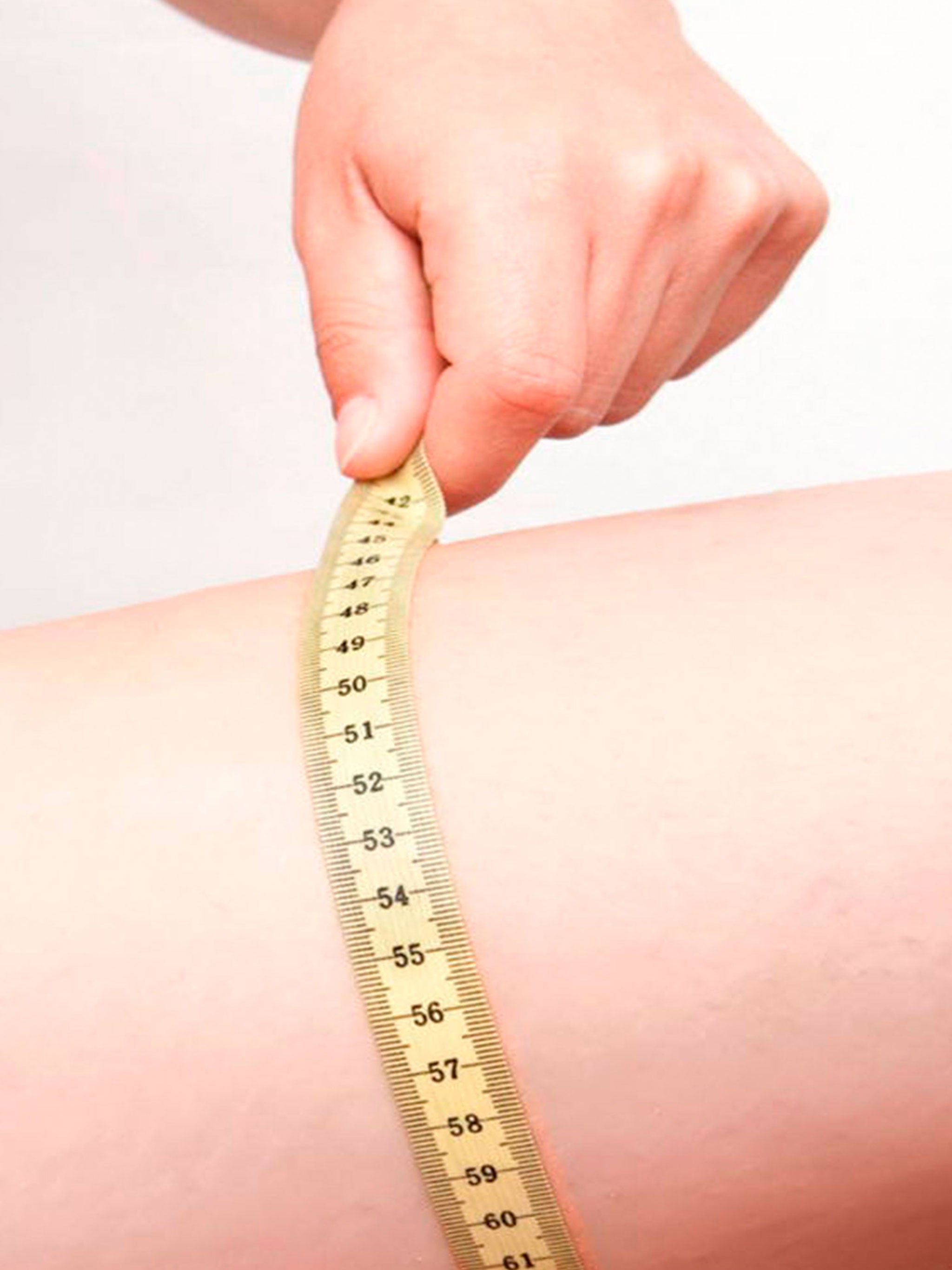
The shaft deserves the same scrutiny. Measure the fullest part of your calf while wearing the hosiery or jeans you are most likely to pair with the boots. For knee-high designs, even a small difference in circumference affects how the leather sits and whether the boot feels custom to the body. Bespoke adjustments are particularly valuable for those who have struggled with boots that gap at the ankle or constrict at the calf.
Winter Materials: Beauty Meets Weather
Leather is winter's most reliable luxury material. It can be conditioned, protected, and worn repeatedly, becoming more beautiful as it takes on the character of its owner. Calfskin offers a refined surface and structured finish, while grained leather disguises minor marks more gracefully and suits frequent wear.
Suede requires a more deliberate relationship. Its depth of color and velvet-like touch are unmatched, but moisture can leave marks if it is not treated and brushed properly. This does not make suede impractical. It simply makes it occasion-specific. Keep a weather-ready leather pair for daytime and preserve your suede boots for dry streets, car service, and evenings when their texture can take center stage.
Lining is the quiet detail that changes the wearing experience. Fine leather lining feels breathable and polished, while a warmer textile or shearling-inspired lining may suit colder climates. Consider your local winter honestly. A boot for New York commutes has different demands than one for Los Angeles dinners or a mountain weekend.
Styling Luxury Boots Without Losing the Line
The strongest winter outfits use boots to establish proportion. A fitted knee-high boot under a midi skirt creates a sleek column, especially when the skirt hem falls just over the shaft. With wide-leg trousers, a pointed ankle boot lets the trouser's movement remain fluid while giving the look a defined finish at the floor.
For contrast, pair a structured leather boot with soft cashmere, brushed wool, or a fluid silk dress layered beneath a coat. For a more commanding effect, keep the palette tonal: black boots with charcoal, chocolate boots with camel, or burgundy boots with merlot and rosewood. Matching is not mandatory, but a considered conversation between materials and color always reads as elevated.
Charlotte Luxury approaches this choice as an atelier decision rather than a seasonal impulse. A well-chosen boot should feel distinct enough to be remembered and versatile enough to become part of the way you move through winter.
Care That Preserves the Finish
Allow boots to rest after a full day, particularly if they have encountered moisture. Wipe leather with a soft cloth, let it dry naturally away from direct heat, then condition it as needed to maintain suppleness. Use a suede brush only when the material is dry, working gently to restore the nap rather than pressing debris deeper into the surface.
Boot shapers are worthwhile for tall shafts, helping preserve the silhouette between wears. Store each pair away from strong sunlight and avoid folding soft shafts into tight spaces. Before the first outing of the season, apply an appropriate protector and have the heel tips and soles checked. Small acts of care protect the impression that fine craftsmanship was made to create.
Choose the pair that suits the winter you actually live, then let its details rise to meet the life you want to remember. A beautiful boot should not wait in its box for a perfect occasion. It should make the ordinary walk toward one feel more extraordinary.