How Made to Order Boots Work
A remarkable pair of boots rarely begins on a warehouse shelf. It begins with a decision - a heel height chosen with intention, a leather selected for its depth and character, a silhouette shaped around the life and presence of the woman who will wear it. That is how made to order boots work: they are produced after the order is placed, with each detail considered before the first cut is made.
For clients accustomed to luxury, the appeal is not simply exclusivity for its own sake. It is the pleasure of owning something more personal, more deliberate, and often more flattering than a standard off-the-shelf option. Made to order sits in the refined space between ready-to-wear and full bespoke. It offers customization, craftsmanship, and scarcity, while maintaining a clear design language from the maison behind it.
How made to order boots work from start to finish
At its core, made to order means the boots are not sitting in prebuilt inventory waiting to be shipped. The pair is commissioned after purchase, then created according to the selected specifications. Depending on the house, those specifications may include leather, finish, lining, heel height, shaft height, calf width, sole choice, hardware, or other signature details.
The process usually begins with a base design. This is important because made to order is not the same as inventing a shoe from nothing. In most cases, the client starts with an established style that has already been developed for proportion, balance, and wearability. From there, the piece is personalized.
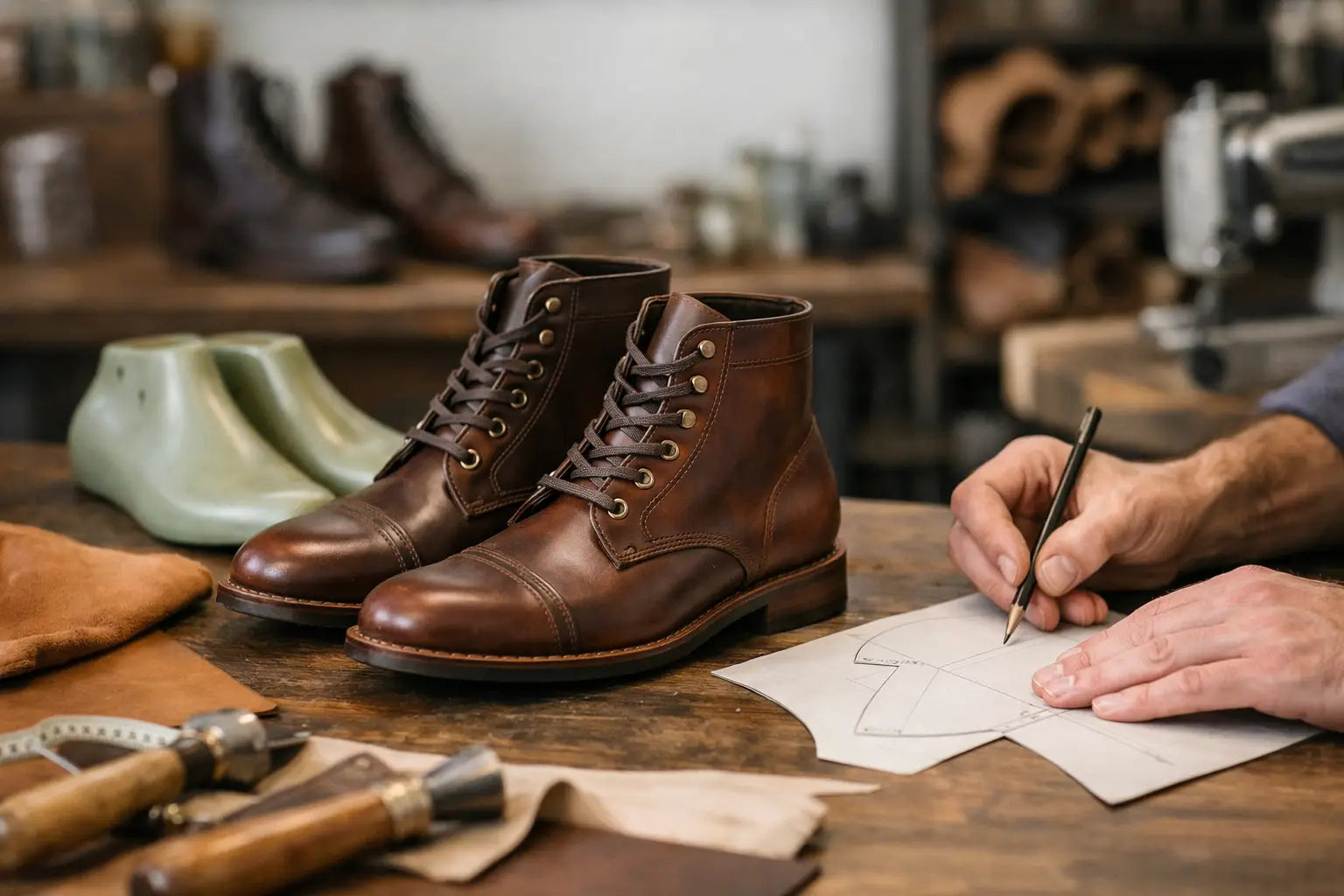
Once the order is confirmed, materials are allocated and the workshop begins planning production. Patterns are prepared in the chosen size and, where offered, adjusted to reflect agreed measurements or fit preferences. Then comes the physical making of the boot - cutting, skiving, stitching, lasting, heel setting, sole construction, finishing, and final inspection.
That sequence sounds straightforward on paper, but in luxury footwear every stage carries weight. The way leather is cut affects how it drapes around the ankle. The way the upper is lasted changes the line of the toe and the elegance of the arch. The finishing determines whether the final pair feels merely expensive or truly exquisite.
The design stage is where personalization begins
A made to order boot is often chosen because the wearer knows precisely what she wants. Perhaps she loves a sharp knee-high shape but prefers a slightly lower heel for longer evenings. Perhaps she wants black suede with a tonal finish rather than high shine leather. Perhaps her priority is a clean shaft line that sits beautifully under tailoring.
This is where the experience becomes distinctly more elevated than standard retail. Rather than forcing the client to compromise with whatever is available in stock, the order is shaped around her preferences within the maison's design framework.
That said, personalization always has boundaries. The best houses do not say yes to every request, because not every idea produces a beautiful or structurally sound result. A commanding made to order service is curated, not chaotic. The discipline behind the offering protects the elegance of the final piece.
Materials, heel shape, and silhouette
Material choice does more than change appearance. It influences softness, structure, stretch, and how the boot ages over time. A supple nappa creates a different experience from a firmer calfskin. Suede can feel rich and sensual, but it behaves differently in wear and care. Patent delivers drama, while matte leather often reads quieter and more timeless.
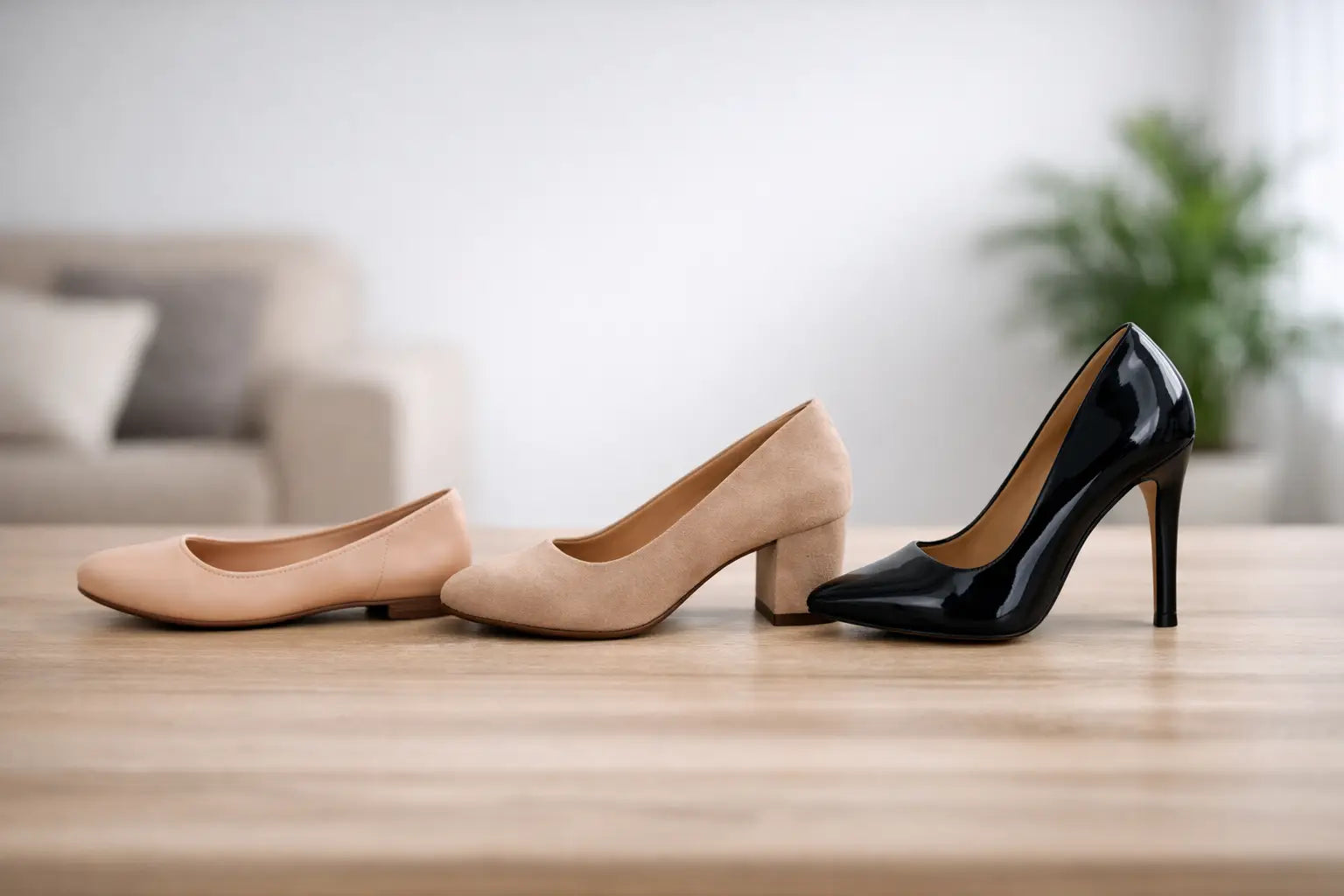
Heel shape also affects more than style. A stiletto creates a sharper posture and stronger visual tension. A block heel may offer more stability, but it also changes the mood of the design. In made to order production, those decisions are usually evaluated together, because proportion matters. The right shaft with the wrong heel can shift the entire expression of the boot.
Fit is one of the real reasons women choose made to order
Luxury should look beautiful, but it must also feel convincing on the body. Fit is one of the strongest arguments for choosing made to order boots, especially for women who struggle with standard sizing.
Many ready-made boots are designed around generalized measurements. That can create familiar frustrations: the foot fits but the calf is too tight, the shaft sits awkwardly at the knee, or the ankle area feels too loose and loses its clean line. Made to order addresses these issues by allowing a closer relationship between the design and the wearer.
Some maisons offer simple size selection with material customization. Others go further with calf circumference options, shaft adjustments, or measurement-based refinements. It depends on the service model. True bespoke involves a fully individualized last and multiple fittings, while made to order tends to refine an existing pattern rather than build an entirely new foundation.
This distinction matters. If a client expects medical-grade precision from a made to order service, she may misunderstand the offering. But if she wants a more polished fit, more considered proportions, and a greater chance of comfort than standard inventory can provide, made to order can be an exceptional solution.
What measurements may be used
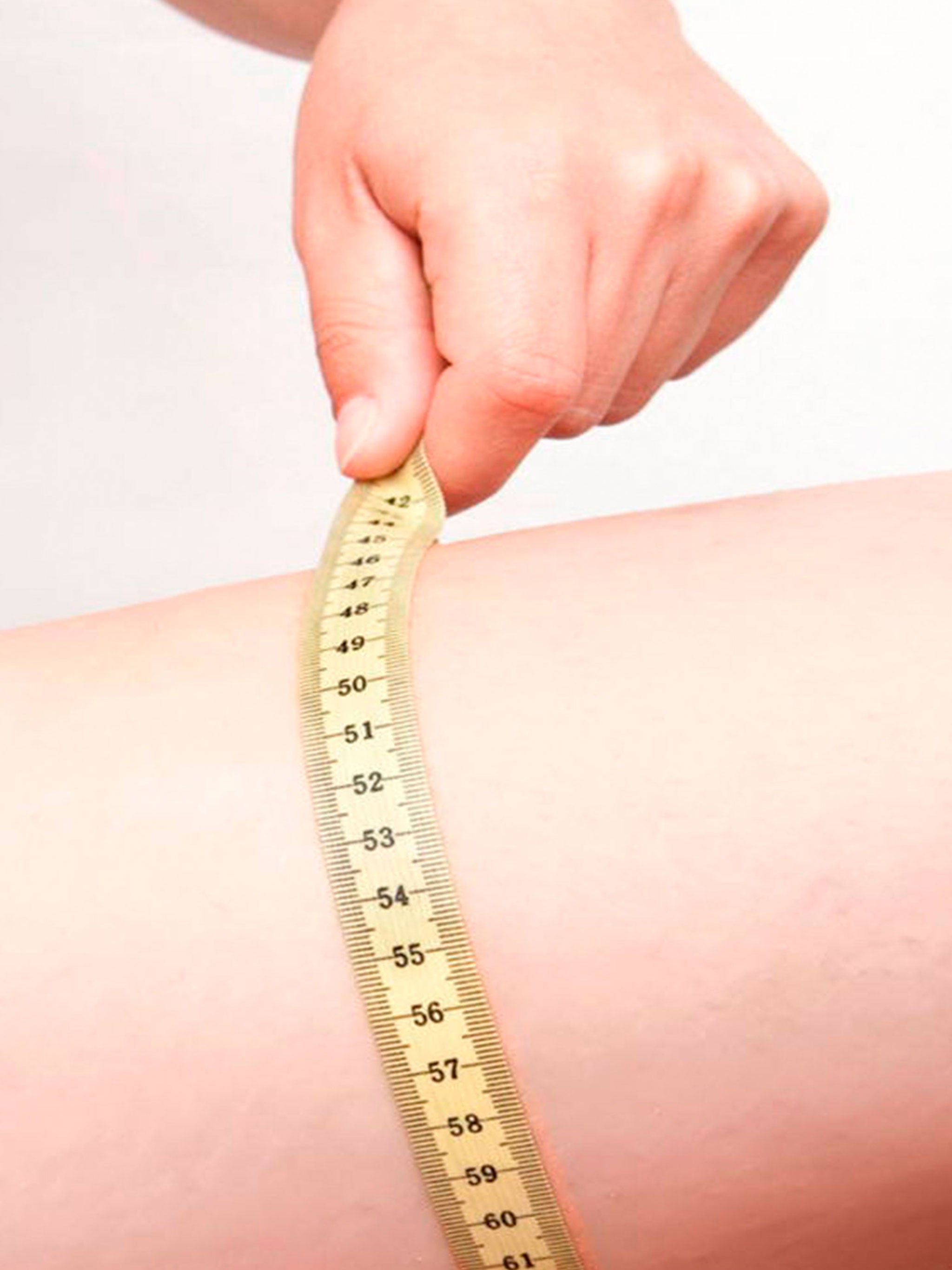
For boots, the most relevant measurements often include foot length, foot width, calf circumference, ankle circumference, and shaft height. In higher-level services, the atelier may also ask how the client plans to wear the boot - with bare legs, fine hosiery, or heavier layers - because that changes fit in subtle ways.
Even here, there are trade-offs. A very close-fitting shaft can look striking, but it leaves less flexibility. A slightly easier fit may be more forgiving for movement and seasonal layering. The best result is usually not the tightest one. It is the most balanced one.
The making process takes time for a reason
One of the first questions clients ask is why made to order boots take longer than ready-to-ship styles. The answer is simple: because they are being created in response to your order, not pulled from storage.
After materials are selected and the order is approved, components must be prepared specifically for that pair. Leather is cut with attention to grain and symmetry. Uppers are stitched and reinforced. The boot is lasted over its form so the shape develops correctly. Soles and heels are attached, edges are finished, surfaces are refined, and the pair is inspected before dispatch.
In a luxury setting, time is not simply delay. It is part of the value. Rushed production often shows itself in the details - uneven lines, compromised finishing, less thoughtful material matching. A made to order timeline reflects the fact that care cannot be mass-produced on demand.
That does not mean every long lead time equals quality. Some delays come from sourcing issues or production bottlenecks rather than craft. A reputable house is transparent about timeframe expectations and clear about what the client is receiving in return.
Why made to order feels different from buying stock
There is a psychological difference between purchasing a boot that already exists in inventory and commissioning one to be made for you. The first is a transaction. The second carries anticipation.
That anticipation is part of the luxury. It gives the piece narrative. You remember the choices you made, the reason you chose that finish, the event you imagined wearing it to, the feeling of waiting for something that was never meant for everyone. In a category as expressive as boots, that emotional layer matters.
This is one reason houses such as Charlotte Luxury build made to order into the heart of the experience. The boot is not treated as a passing seasonal item. It is treated as an object of style, intention, and memory.
When made to order is worth it - and when it may not be
Made to order is worth considering when fit matters, when the design is specific, or when the client wants a more distinctive result than conventional retail can offer. It is especially compelling for occasion dressing, statement wardrobes, and women who know exactly how they want a boot to frame the leg and complete a look.
It may be less suitable for someone who needs immediate delivery, is unsure about her sizing, or wants the freedom to order several versions casually and return most of them. Made to order tends to ask for more certainty. In return, it offers more intimacy and intention.
There is also the matter of patience. Some clients enjoy the process because it feels rare and considered. Others simply want speed. Neither instinct is wrong, but they lead to different kinds of purchases.
The beauty of made to order boots is that they restore meaning to the act of buying. Instead of settling for what happens to be available, you choose a design with purpose and allow craftsmanship to shape it into something more personal. When luxury is done well, it should never feel generic. It should feel like it was always waiting for your name.