Why Handmade High Heels Still Matter
A stiletto can change the line of a silhouette in a second, but the difference between spectacle and true elegance is usually decided long before the shoe is worn. Handmade high heels carry that difference in every hidden layer - in the balance of the arch, the precision of the last, the softness of the lining against the skin, and the quiet authority of a shoe shaped with intention rather than volume in mind.
For women who dress with discernment, a high heel is never just an accessory. It frames posture, influences movement, and often defines how a look is remembered. That is why craftsmanship matters so deeply in this category. A beautiful heel that cannot be worn with confidence quickly loses its allure. A well-made one becomes part of a personal wardrobe language.
What sets handmade high heels apart
Mass-produced footwear is built for standardization. Handmade high heels are built for nuance. That distinction affects far more than image.
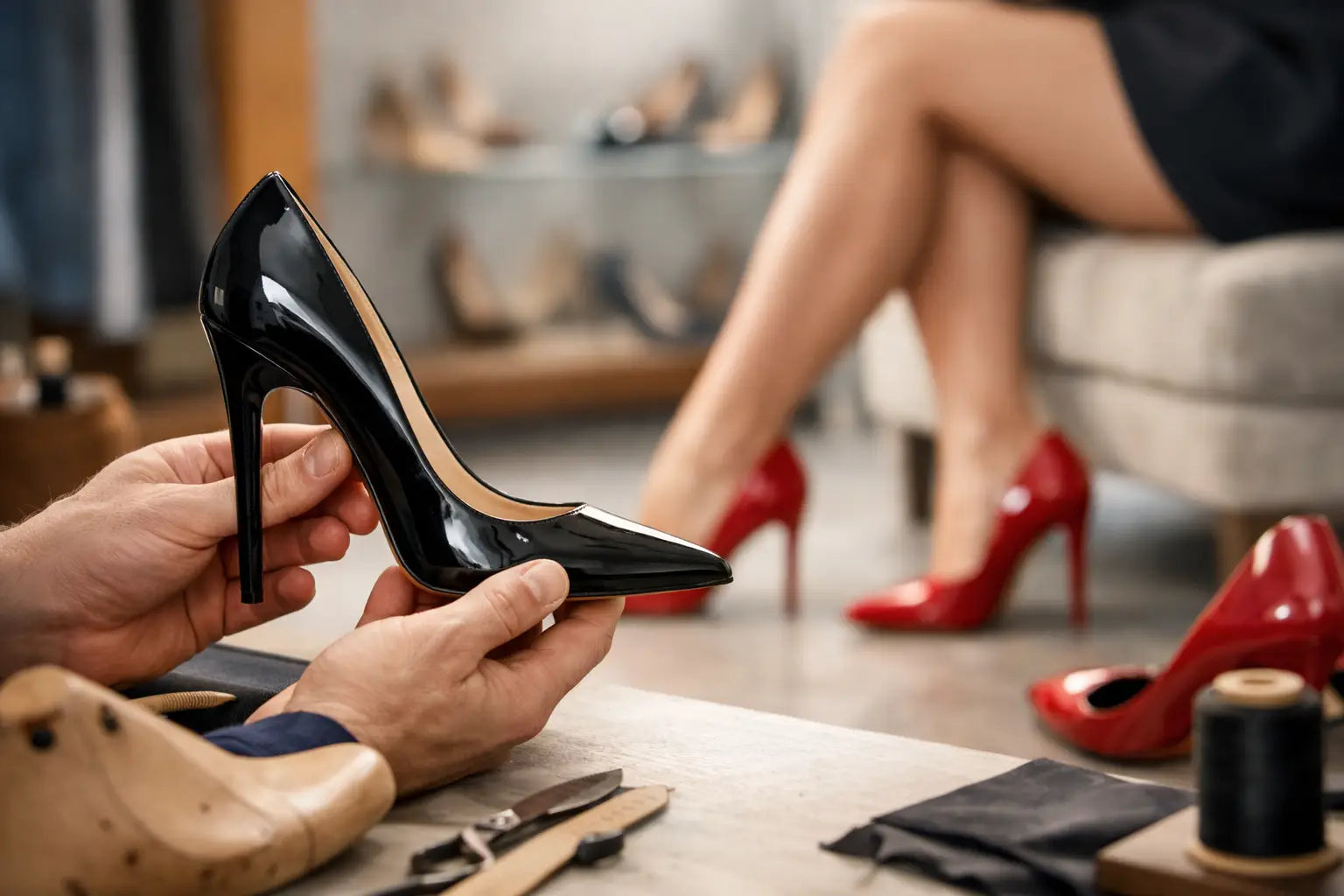
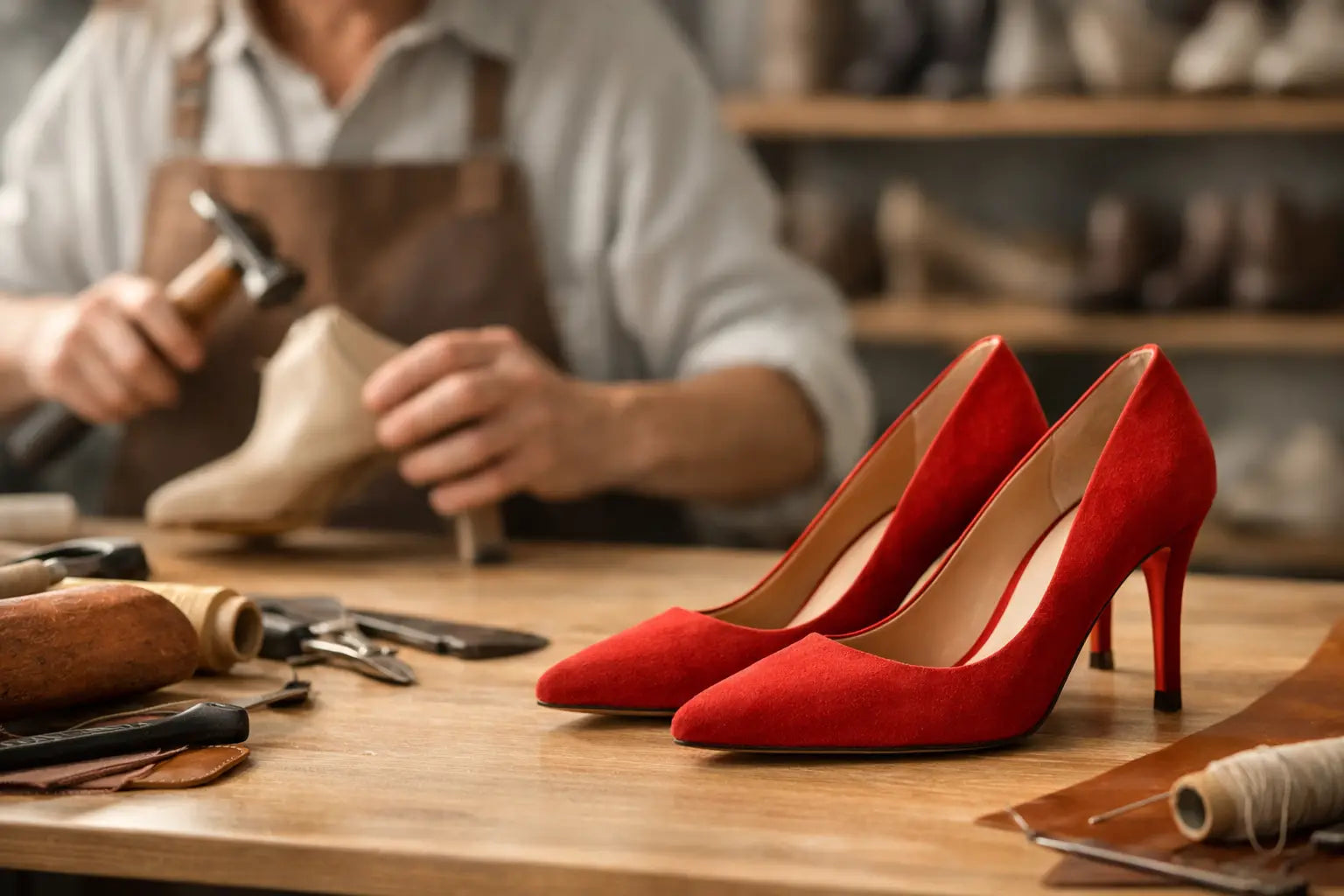
When a shoe is made by hand, each stage can be adjusted to serve the final shape and feel. The cut of the leather, the placement of seams, the pitch of the heel, the way the upper embraces the foot - these are not minor details in luxury footwear. They are the reason one pair feels merely dramatic and another feels exquisite.
This is also where refinement becomes visible. A handmade shoe often appears cleaner, more deliberate, more composed. Lines look sharper because they have been handled with care. Materials fall differently because they have been chosen for structure as well as beauty. Even embellishment, when present, tends to feel more architectural and less decorative for its own sake.
There is, of course, a trade-off. Handmade pieces require more time, and true made-to-order work asks for patience. Yet for a client who values individuality, that slower process is part of the appeal. The result is not a shoe produced for everyone. It is one shaped around a more exact idea of elegance.
The relationship between craftsmanship and comfort
Luxury clients rarely want to choose between visual impact and wearability. They expect both, and rightly so. In high heels, comfort is not a bonus feature. It is a mark of expertise.
A poorly designed heel can look impeccable in stillness and become punishing within minutes. Too much pressure at the ball of the foot, a vamp that cuts in the wrong place, a counter that slips, a pitch that forces imbalance - these flaws are common in shoes designed first for display. Handmade high heels allow these variables to be considered with greater care.
The heel height itself is only one part of the equation. Two shoes marked at the same height can feel entirely different depending on the last, the platform, the insole construction, and the way weight is distributed. A house that understands bespoke footwear pays attention to these relationships. That is why a sharper silhouette does not always require a harsher wearing experience.
Soft linings, carefully chosen leathers, and more attentive construction also affect longevity. A shoe that molds gracefully to the foot tends to feel more natural over time. It does not mean every heel will suit every occasion. A dramatic pointed pump for an evening event serves a different purpose than a custom boot designed for long wear. But in both cases, craftsmanship widens the space where beauty and comfort can coexist.
Handmade high heels as a form of personal expression
The appeal of a handmade heel is not only technical. It is emotional. Women who choose bespoke or made-to-order footwear are often looking for something more intimate than trend participation. They want a piece that reflects taste with precision.
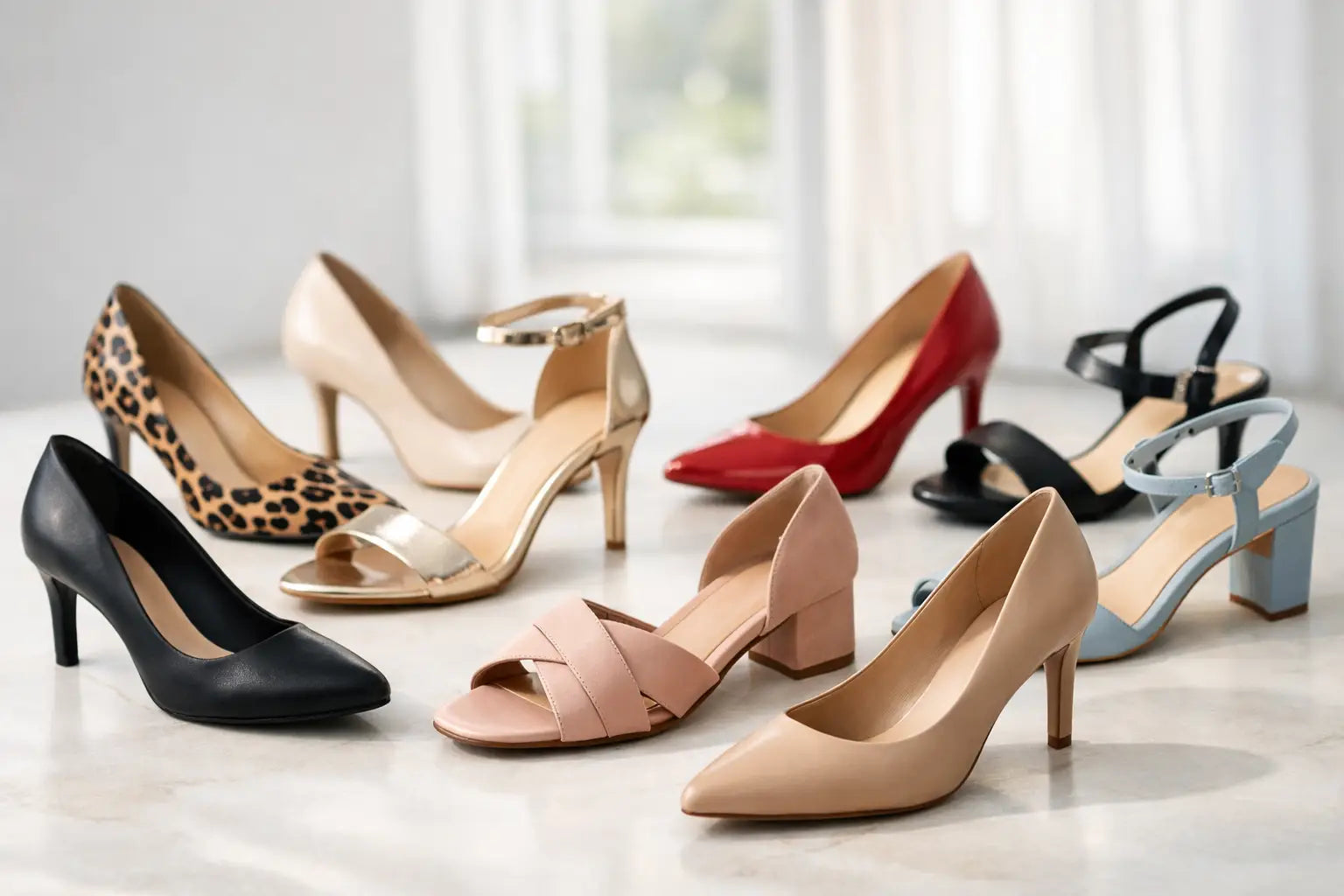
That expression can take many forms. Sometimes it is about proportion - a heel height calibrated to personal comfort, or a toe shape that flatters the foot more elegantly than standard sizing allows. Sometimes it is material - satin for an evening entrance, polished leather for a commanding city wardrobe, suede for depth and softness. Sometimes it is the smallest distinction, a custom color, an unexpected lining, a detail only the wearer fully knows is there.
This is where luxury becomes personal rather than performative. The shoe is not valuable because it is loud. It is valuable because it feels exact. It belongs to a woman’s life, her schedule, her preferences, her sense of presence.
An atelier approach makes this possible. Instead of forcing the client into a fixed inventory model, it allows the design conversation to move in the other direction. The shoe begins to answer the wearer rather than asking the wearer to adapt.
When made-to-order is worth it
Not every purchase requires customization. There are moments when ready-to-wear is sufficient, especially for simple wardrobe foundations or immediate needs. But certain purchases deserve more consideration.
Occasion dressing is an obvious example. A gala, wedding, black-tie dinner, milestone celebration, or major professional event often calls for a shoe that does more than complete an outfit. It has to hold its own in memory. In these cases, handmade high heels offer a different level of presence. They can be shaped around the mood of the event, the line of the dress, and the wearer’s own rhythm of movement.
Fit challenges are another reason. Women with narrow heels, wider forefeet, higher arches, or sensitivities around pressure points often know the frustration of beautiful shoes that remain unworn. Made-to-order footwear can address these concerns more elegantly than repeated compromise ever will.
Then there is the collector’s instinct. Some women build wardrobes; others build a personal archive. For them, a handmade heel is not simply another purchase. It is an acquisition with narrative value. The design, the craftsmanship, the waiting period, the first wear - all of it becomes part of the object’s meaning.
How to recognize true quality in a luxury heel
Visual beauty can be immediate, but quality reveals itself more slowly. The first sign is proportion. A well-made heel looks balanced from every angle. The arch appears intentional, the heel placement secure, the toe shape resolved rather than exaggerated for effect.
The second sign is material integrity. Fine leather should feel supple yet structured. Satin should hold its shape without looking stiff. Hardware and embellishment should feel integrated into the design, not added as distraction. Inside the shoe, linings and finishing matter just as much as the exterior. Luxury is often proven where the eye is not meant to linger.
The third sign is coherence. In a superior shoe, nothing feels accidental. The silhouette, heel height, material, and finish all belong to the same design logic. This is one reason maison-level footwear stands apart. It is not just attractive. It is composed.
Clients should also consider aftercare and longevity. Handmade shoes are investments, and they deserve maintenance that preserves their structure and finish. Proper storage, attentive cleaning, and thoughtful wear rotation extend not only lifespan but also visual freshness.
Why handmade high heels remain relevant now
Fashion moves quickly, but desire does not always follow speed. Many luxury clients have grown less interested in buying more and more interested in buying better. They want pieces with staying power, pieces that feel authored rather than churned out.
Handmade high heels answer that shift beautifully. They offer rarity in a crowded market and intimacy in a category often driven by spectacle. They respect the wearer’s individuality while delivering the kind of visual drama high heels should never lose.
This is especially true for women who understand that modern luxury is not only about visibility. It is about discernment. Choosing a handmade shoe means valuing process, shape, fit, and permanence. It means recognizing that true glamour is not accidental. It is built.
Charlotte Luxury speaks to that sensibility with a made-to-order vision shaped by elegance, precision, and desire. The woman who chooses such footwear is not chasing novelty for its own sake. She is selecting something with memory in it.
A remarkable heel should do more than complete a look. It should change the way a woman stands in it - and make that feeling worth returning to.