
How to Design Custom Boots With Lasting Presence
A remarkable boot changes the posture before it changes the outfit. It sharpens a tailored coat, gives a silk dress intention, and makes the simple act of entering a room feel composed. Knowing how to design custom boots begins with that feeling: deciding not merely what the boot will look like, but how it should make you move, stand, and be remembered.
Custom footwear is an exercise in discernment. Every choice, from the height of the shaft to the curve of the heel, has an aesthetic consequence and a physical one. The most successful pair does not chase a passing mood. It brings proportion, material, and purpose into a single, unmistakably personal design.
Begin With the Moment the Boot Is Made For
A bespoke boot should have a destination in mind. Consider where it will live most vividly: at a winter dinner, beside a sharply cut suit, on a city street after dark, or as the defining line beneath an evening gown. The answer shapes the design more intelligently than a trend board ever could.
For day-to-evening wear, an ankle boot or sleek mid-calf silhouette offers versatility without sacrificing presence. A knee-high boot has a more dramatic relationship with skirts and dresses, while an over-the-knee style creates a long, commanding line when balanced with restraint above the boot. The taller the shaft, the more carefully its circumference and finish should be considered. A close fit can look beautifully sculpted, but it should never restrict the calf or catch uncomfortably behind the knee.
Think, too, about the garments that will accompany it most often. A pointed toe elongates the leg beneath a midi hem and gives wide-leg tailoring a precise finish. An almond toe softens the effect while remaining polished. A square toe can feel architectural and modern, especially when paired with a clean shaft and a strong heel. There is no universally superior shape. The right one depends on whether you want the boot to whisper refinement or set the entire look in motion.
How to Design Custom Boots Around Proportion
Proportion is where a beautiful idea becomes a beautiful boot. The relationship between toe, vamp, shaft, and heel must feel deliberate from every angle, not only in a seated fitting or a studio sketch.
Start with the shaft. A slim ankle boot that ends at the narrowest part of the ankle can create a graceful line, especially with cropped trousers or bare leg. A shaft that ends at a wider point of the calf needs enough visual purpose to justify its placement. This is why a few centimeters matter. The goal is not simply a longer leg, but a silhouette with rhythm.
The vamp, the section across the top of the foot, has equal influence. A higher vamp offers coverage and can make the boot feel more tailored; a lower cut reveals more of the instep and creates sensuality. On a tall boot, a subtle front dip or a gently curved topline can prevent the shaft from appearing rigid. These details are quiet, but they are the details that separate a boot that is merely expensive from one that feels considered.
Heel height should follow your real life, not an idealized version of it. A slender high heel creates undeniable drama, yet it asks more of the wearer and of the boot's internal construction. A sculptural mid-heel may offer greater stability while preserving a striking profile. For frequent walking or long events, comfort is not a compromise in a luxury design. It is part of the design brief.
Choose Materials That Deepen With Wear
The material determines the boot's character before any hardware is added. Fine calf leather offers a smooth, polished surface that can be structured or supple depending on its finish. Suede absorbs light and gives color a rich, almost intimate dimension, though it requires more attentive care in wet conditions. Patent leather delivers high-shine impact and a more formal attitude, while embossed textures introduce depth without relying on ornament.
Color deserves the same rigor. Black is never only black: a matte black suede reads differently from black patent, and both create a different effect than polished black leather. Deep espresso, oxblood, graphite, cream, and midnight navy can feel just as enduring while offering a more individual signature. If the boot is intended to become a wardrobe constant, select a color that works with your outerwear as naturally as it does with your evening pieces.
Lining matters because luxury is felt as much as it is seen. A beautifully finished interior supports comfort, helps the boot slip on with ease, and gives the piece a private sense of completion. In a made-to-order design, details that never appear in a photograph still deserve attention.
Make Fit Part of the Aesthetic
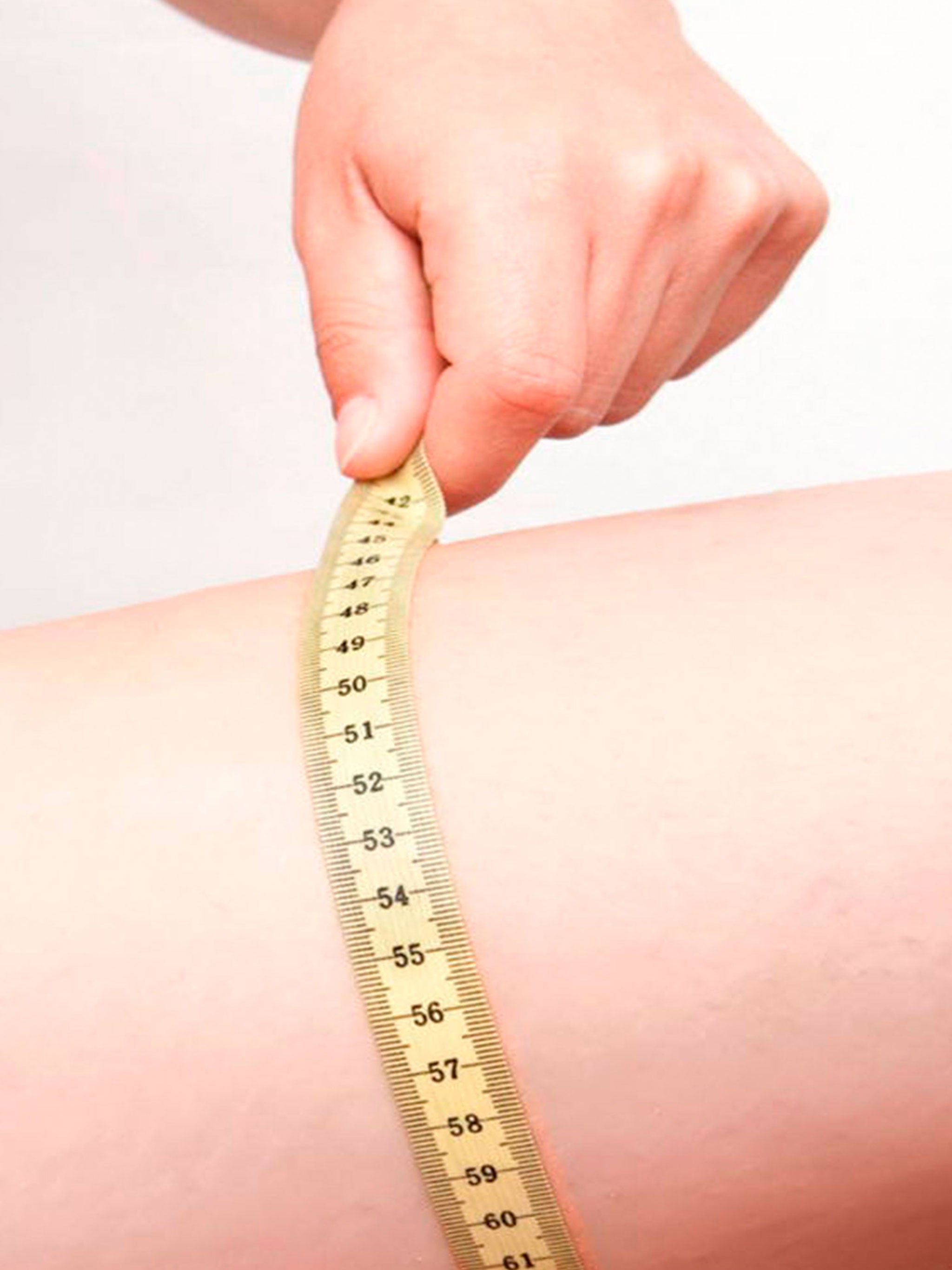
A custom boot should respect the distinctive architecture of your foot and leg. This is especially significant for tall shafts, where calf width, ankle shape, and knee position determine whether the boot looks effortless or overly tense. Measurements should be taken with the hosiery or socks you expect to wear, and ideally at a time of day that reflects how your feet naturally settle after movement.
Do not assume a tighter fit is a more flattering fit. A boot needs enough ease to accommodate motion, particularly at the ankle and calf. Conversely, excess volume can interrupt the clean vertical line that makes a tall boot so compelling. The ideal fit feels secure at the heel, smooth across the instep, and comfortably close through the shaft without pressure.
For a pointed toe, confirm that the last provides sufficient room around the forefoot. A pointed silhouette can be elegant without forcing the toes into a narrow space. For an ankle boot, pay attention to where the upper meets the ankle bone. Even the most exquisite leather will become distracting if the top edge repeatedly presses against the foot.
Refine the Details, Then Edit Them
A custom boot invites temptation: contrast stitching, jeweled buckles, lacing, unexpected linings, metallic finishes, and decorative zippers can all be captivating. Yet a boot with lasting presence usually has one central gesture. Perhaps it is a sharply sculpted heel, a deep burgundy leather, a dramatic shaft, or a single piece of exceptional hardware.
Choose details that serve that gesture. A concealed zipper preserves a continuous silhouette. A front seam can lengthen the leg and lend a subtle equestrian precision. A discreet pull tab may be practical, while a statement buckle can create a focal point at the ankle. If the design already has a strong toe shape and a high-gloss finish, additional embellishment may compete rather than elevate.
Hardware should be treated like jewelry. Its tone needs to belong with the leather, your preferred accessories, and the mood of the boot. Warm gold can heighten cognac, cream, and chocolate tones. Silver-toned hardware may feel cleaner against black, gray, or cool jewel tones. The choice is not a rule. It is an atmosphere.
Allow Craftsmanship to Guide the Final Decision
The most sensual design is one that can be executed with precision. Some ambitious ideas demand particular construction methods, reinforced support, or different materials to retain their intended shape. A very soft leather may drape beautifully in a relaxed shaft, for example, but it will not hold the same crisp line as a more structured hide. Similarly, a slender heel and a tall shaft require thoughtful balance to remain poised in motion.
This is the value of an atelier conversation. Bring references, certainly, but speak in feelings as well: powerful rather than delicate, polished rather than precious, dramatic rather than ornate. A skilled maker can translate those instincts into decisions about last shape, material weight, heel placement, and finishing. At Charlotte Luxury, the made-to-order process is designed to give those choices their proper attention.
Before approving a design, imagine it from arrival to departure. Can you walk with conviction? Does it hold its line beneath your favorite hem? Does the material become more beautiful under evening light, or more practical in daylight? The answers reveal whether you are choosing a beautiful object or creating a lasting companion.
The finest custom boots do not need to announce every detail at once. They reveal their quality as you wear them: in the balanced stride, the sculpted silhouette, and the certainty of a piece made to belong only to you.