
How Luxury Shoe Customization Works in an Atelier
A remarkable shoe begins long before the first step. It begins with a line of the foot, the height that changes a posture, the material that catches light at dinner, and the occasion that deserves something no one else can replicate. That is how luxury shoe customization works: a personal vision is translated into a made-to-order design through considered choices, precise construction, and the practiced hand of an atelier.
Customization is not simply selecting a color from a menu. At its finest, it is an exchange between desire and discipline. Every decision - from the silhouette to the placement of a crystal - influences not only how a shoe appears, but how it feels, moves, and endures.
How Luxury Shoe Customization Works, Step by Step
The process usually opens with a consultation. This may happen in an atelier, remotely with guided support, or through a highly curated online selection process. The purpose is not to overwhelm you with options. It is to establish the character of the pair: seductive and sculptural, restrained and architectural, romantic, commanding, or quietly iconic.
A client may arrive with a specific event in mind: a wedding, gala, milestone birthday, editorial appearance, or an evening that deserves its own memory. Others begin with a wardrobe need, such as a refined knee-high boot in an exact tone, or a signature pump that feels distinctly theirs. The initial conversation clarifies the occasion, preferred heel height, desired fit, styling habits, and the details that make the design personal.
At Charlotte Luxury, this made-to-order approach preserves the intimacy of the decision. The shoe is not chosen from a crowded shelf. It is composed for the woman who will wear it.
Selecting the silhouette
The silhouette provides the foundation. A pointed-toe pump creates a different impression from an almond-toe slingback; a sharply cut ankle boot carries itself differently from a softly draped over-the-knee style. The selected shape determines the visual language of the shoe and sets practical parameters for fit and construction.
Heel choice is equally defining. A slender stiletto offers drama and length, while a sculpted heel or a more grounded base may offer greater stability over a long evening. Higher is not always more luxurious. The most persuasive heel is the one that complements the wearer’s stance and lets her move with confidence.
Customization may include toe shape, shaft height, heel height, platform depth, strap placement, closure type, and the proportion of the vamp. Some elements depend on the existing last, which is the form around which the shoe is built. A trusted maison will explain where a request can be realized exactly and where a small adjustment protects comfort, balance, or the integrity of the design.
Choosing materials and color
Materials create the first emotional response. Satin has a ceremonial softness. Fine leather develops character with wear. Suede absorbs color with depth, while metallic finishes make an entrance before a word is spoken. Embossed textures, mesh, lace, feathers, and polished hardware can introduce contrast, provided each element serves the same design story.
Color is rarely a simple choice between black and ivory. In luxury customization, it may mean matching the cool silver of jewelry, finding the exact burgundy within a gown, or choosing a nude that harmonizes with the wearer’s skin tone. The material changes the color’s behavior: a red in velvet reads differently than a red in patent leather, and both will shift under daylight, candlelight, and flash photography.
This is where discernment matters. A shoe can hold many beautiful details, but not every detail belongs on the same pair. If the gown is richly embellished, a clean satin heel may be the more commanding choice. If the wardrobe is minimal, a jeweled buckle, unusual texture, or contrasting lining can become the point of intrigue.
Fit Is the Private Luxury
The finest shoe should be admired from across the room and forgotten while it is being worn. Fit is the private luxury beneath the visible beauty.
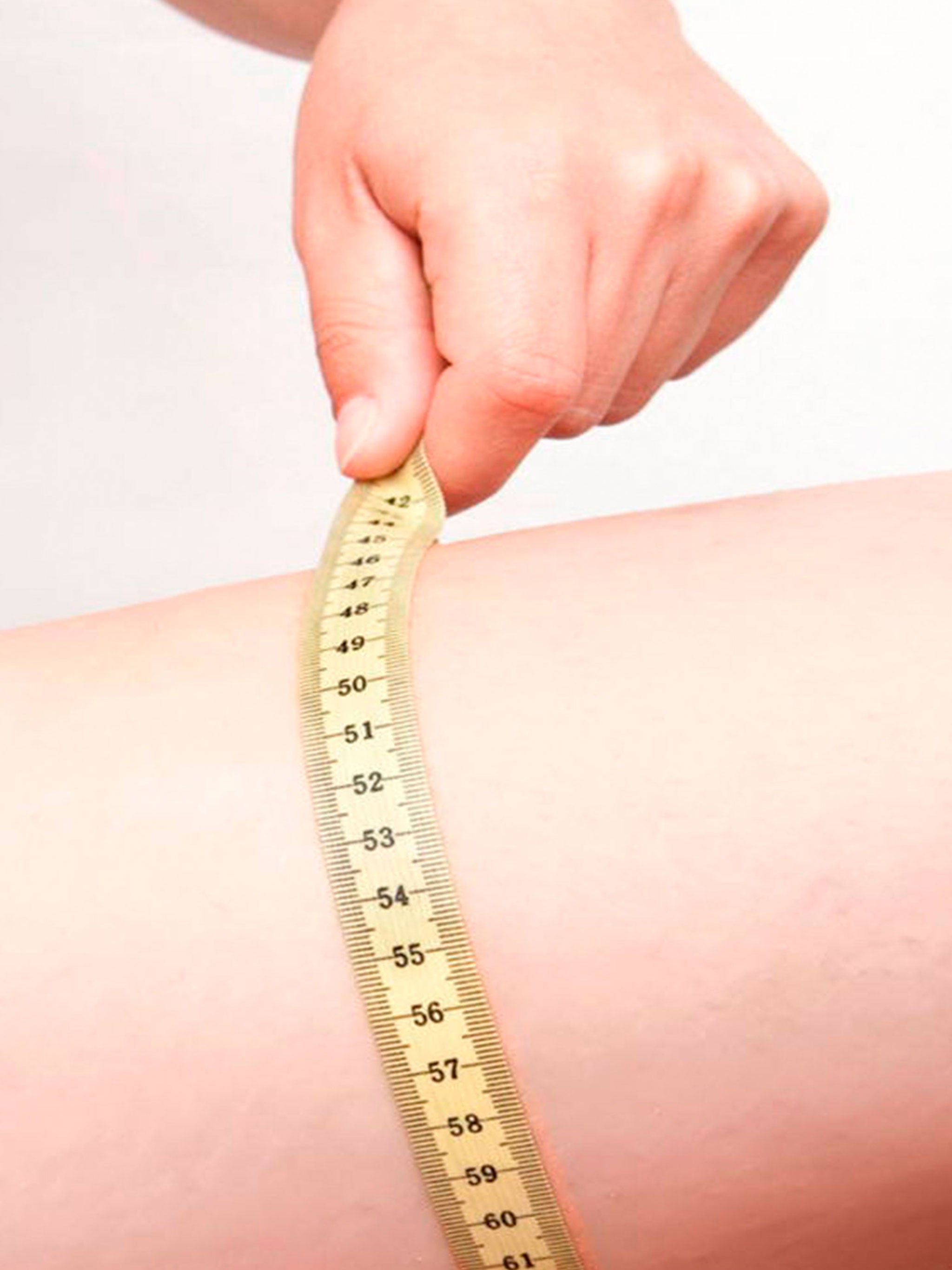
Depending on the customization level, fit may begin with standard sizing refined through notes about width, instep, arch placement, toe shape, or preferred room at the forefoot. More bespoke commissions can involve measurements of both feet and adjustments made to accommodate meaningful differences in length, width, or volume. Feet are rarely perfectly symmetrical, and a thoughtful process recognizes this rather than asking the wearer to adapt to the shoe.
A fit consultation also considers how and when the shoes will be worn. A pair intended for a seated dinner has different demands from one intended for hours of standing and dancing. An open-back design may require a different balance than an enclosed boot. The goal is not to promise that a dramatic heel will feel like a flat. It is to create the best possible relationship between elegance, support, and the realities of the occasion.
When possible, a sample fitting or prototype can reveal refinements before final production. A slight change in strap tension, toe box volume, heel placement, or lining can transform the experience of wearing the shoe. These adjustments are subtle, but they are often where true custom work earns its distinction.
From Design Approval to Artisan Construction
Once the specifications are approved, the atelier moves from concept to construction. Patterns are prepared, materials are inspected and cut, uppers are shaped, and components are assembled around the selected last. The work requires control at every stage because luxury materials can be unforgiving. A slight variation in tension can affect a seam; an imperfect cut can alter the symmetry of a pair.
The outsole, heel, lining, and upper must work as one composition. Decorative elements are positioned with precision so they enhance the shoe’s balance rather than disrupt it. In a finely made pair, the inside receives as much attention as the exterior. Smooth linings, clean edges, carefully placed padding, and considered reinforcement all contribute to the finished sensation.
Made-to-order production takes longer than selecting a ready-to-ship shoe because the piece enters the workshop after the design is confirmed. That waiting period is part of the value, not an inconvenience disguised as exclusivity. It allows the craft to follow the client’s choices rather than forcing the client into preexisting inventory.
Still, expectations should be clear. Highly complex designs, rare materials, hand-applied embellishment, and substantial fit changes can require additional time. If a shoe is needed for a date that cannot move, begin the process early and share the event deadline during the consultation. The most beautiful commission is one that arrives with enough time for final styling, not one rushed at the expense of detail.
The Details That Make a Pair Personal
Personalization is most compelling when it feels intentional rather than loud. For some clients, it is an unexpected lining in a favorite color. For others, it is a discreet monogram, a meaningful date, a custom buckle, or a material chosen to echo a bridal veil or evening glove.
A custom shoe can also be designed as part of a complete look. The same satin may appear in a clutch, a pair of gloves, or a subtle hair adornment. This does not mean every piece must match exactly. Often, the more sophisticated approach is to repeat a texture, hardware finish, or tonal family, allowing each accessory to have its own presence.
The most enduring custom choices tend to sit at the meeting point of personality and versatility. A bold emerald boot may be perfect for the woman who builds her wardrobe around color. For another, an immaculate black pump with a distinctive sculpted heel may hold more long-term power. There is no universal right answer. There is only the pair that feels unmistakably aligned with its wearer.
Caring for a Made-to-Order Pair
A custom shoe deserves considered care. Store it away from direct sun and excessive humidity, ideally with forms or tissue that help preserve its shape. Brush suede gently, protect delicate embellishment from friction, and allow shoes to rest between wears. Leather soles and heels will naturally show use, especially on city pavement, but timely maintenance helps preserve the line and finish of the original design.
For special-occasion shoes, avoid leaving care until the week before the event. Try them indoors on a clean surface, assess the fit with the intended hosiery or bare foot, and keep them protected until the moment arrives. This small ritual makes room for confidence.
A custom shoe is not merely an accessory tailored to an outfit. It is a physical expression of taste, built around the way you choose to be seen. Give the process time, choose with conviction, and let the finished pair carry the memory long after the room has emptied.