Article: A Guide to Custom Shoe Fitting
A Guide to Custom Shoe Fitting
The difference between a shoe you admire and a shoe you reach for again is rarely color or heel height. It is fit. This guide to custom shoe fitting is for women who know that true luxury is not only seen - it is felt in the first step, the last hour of an evening, and the confidence that comes from wearing something made with intention.
Custom fitting is often spoken about as if it were a single measurement. In reality, it is a composition. Length matters, of course, but so do width, arch shape, toe placement, instep height, ankle proportion, and the way your weight naturally moves through the foot. A beautifully made shoe can still disappoint if it is built on assumptions rather than your actual proportions. Bespoke footwear begins where standard sizing stops.
Why a guide to custom shoe fitting matters
Luxury shoes are expected to do two things at once. They must create a striking line and support the body with grace. That balance is delicate. A heel that is visually perfect but pitched too sharply for your foot will feel demanding within minutes. A boot shaft cut without regard for calf or ankle shape can interrupt the silhouette it was meant to refine.
This is why custom fitting matters most for women who wear shoes with purpose - for events, boardrooms, travel, evenings out, and occasions where compromise has no place. The goal is not simply to avoid discomfort. The goal is to create harmony between design and anatomy.
There is also a deeper pleasure in it. A custom fit changes the relationship between wearer and object. The shoe no longer asks you to adapt to it. It is made to honor your posture, your stride, and the way you move through a room.
What custom shoe fitting actually includes
The term is often misunderstood. Some clients assume it means choosing a size and perhaps a width. True custom fitting is more exacting.
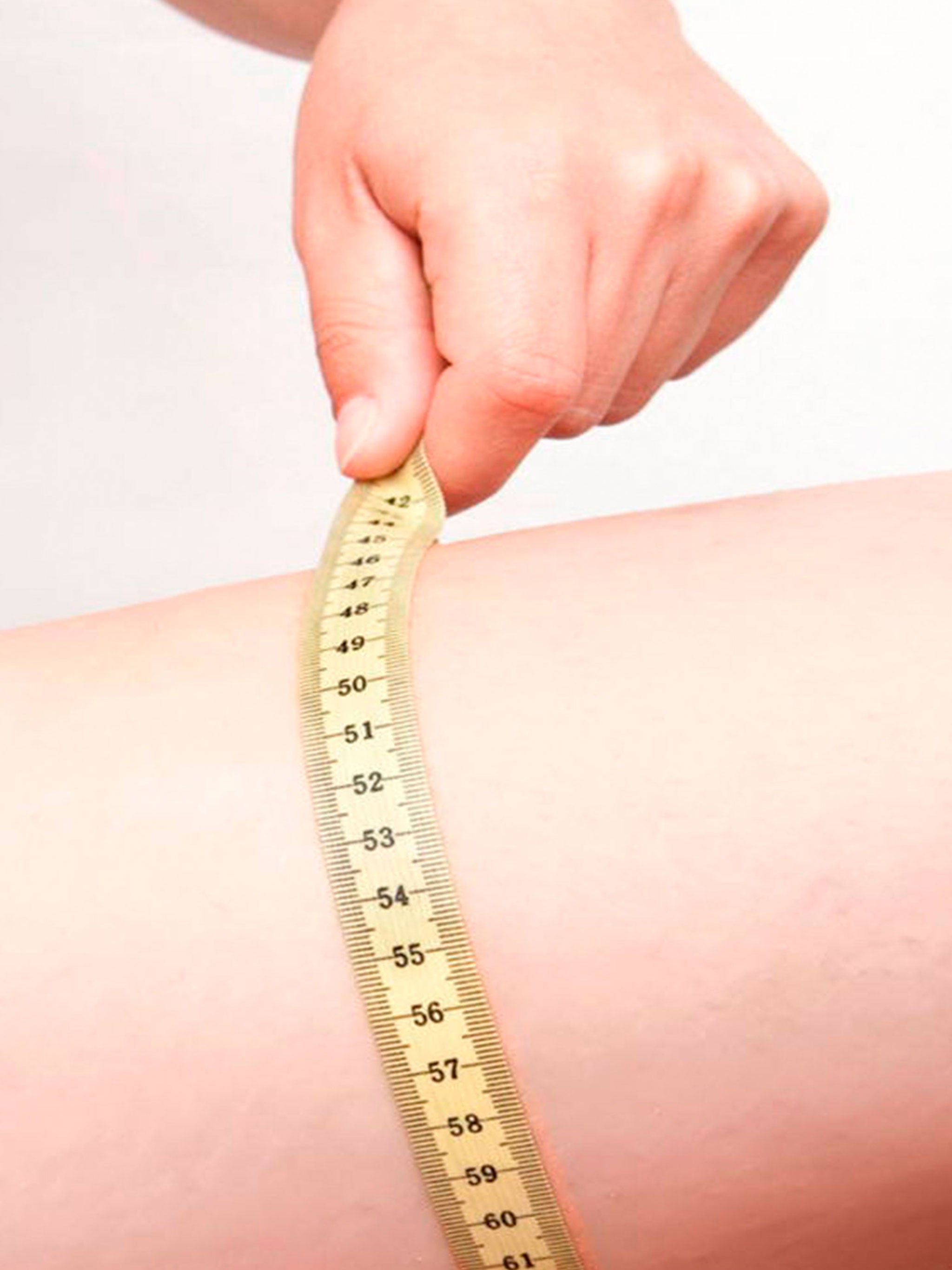
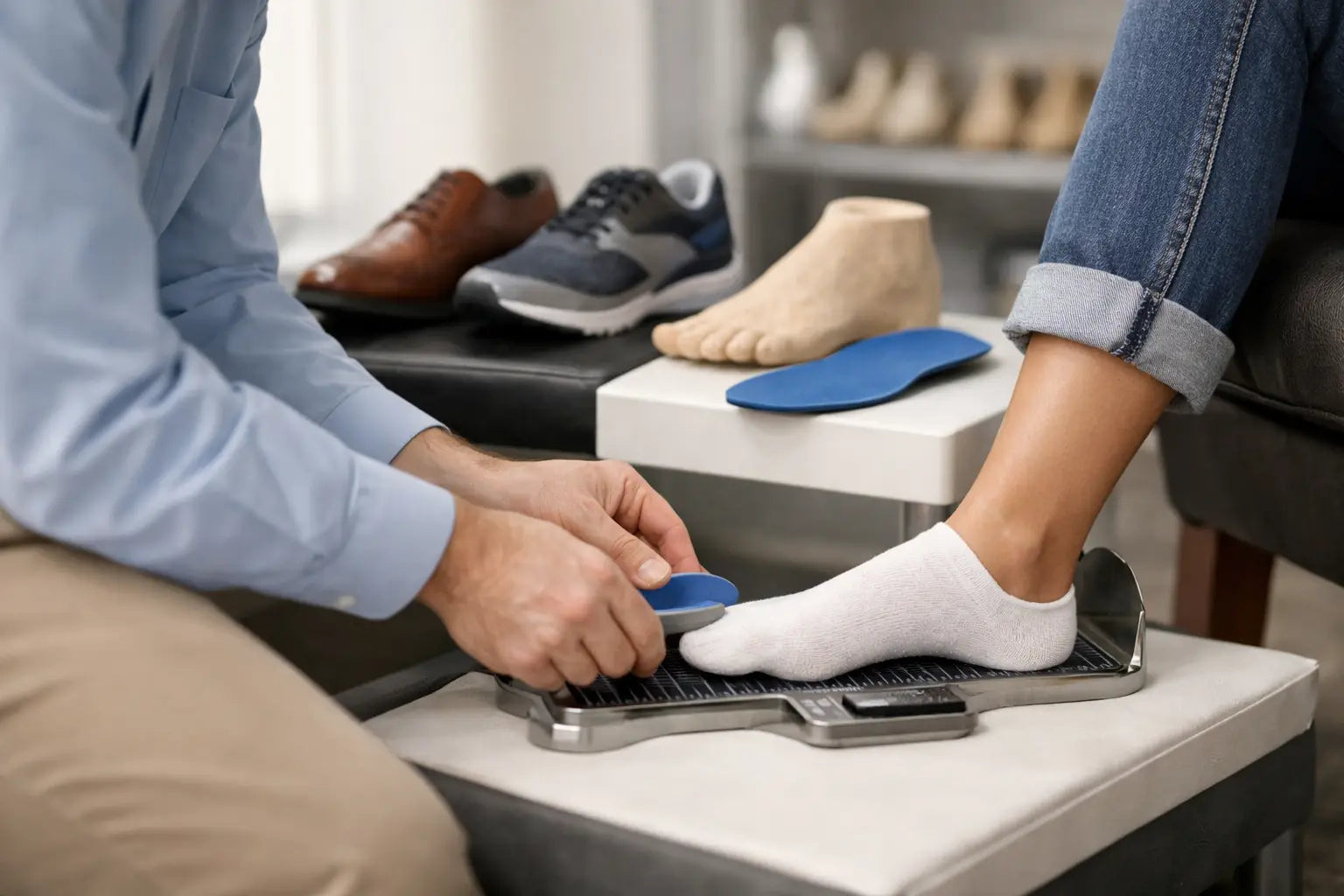
It begins with core measurements: foot length, ball width, waist width, instep circumference, heel width, and arch placement. For boots, calf circumference, shaft height, and ankle shape also come into play. For high heels, the pitch of the shoe becomes especially important because a few millimeters can change pressure distribution across the forefoot.
Then there is shape. Two women can wear the same numerical size and need entirely different constructions. One may have a longer second toe, a high instep, and a narrow heel. Another may need more volume through the forefoot but a lower vamp to flatter the foot line. This is where custom fitting becomes couture rather than correction.
A proper fitting also accounts for use. An evening sandal, a pointed pump, and a knee-high boot should not be fitted with the same priorities. A special-occasion heel may allow for a closer, more sculpted fit, while a boot intended for longer wear may benefit from more considered ease in specific areas. Precision is not about making every shoe feel identical. It is about making each silhouette feel right for its purpose.
How to prepare for a custom fitting
The best fitting begins before measurements are taken. Feet change through the day, and they change across seasons, travel schedules, and lifestyle habits. If possible, measurements should be taken later in the day, when the foot is slightly fuller and closer to how it will feel during actual wear.
It also helps to be honest about your habits. Do you spend most of an event standing? Do you prefer a close, glove-like fit, or do you want a touch more ease? Have standard pumps slipped at the heel in the past? Has pressure at the little toe ruined otherwise beautiful pairs? These details are not minor. They guide the maker toward a last and construction that serves you rather than a generic ideal.
Bring clarity, too, about the role of the shoe in your wardrobe. A satin stiletto for formal evenings invites different fitting choices than a leather boot designed to accompany cold-weather tailoring. The more specific the brief, the more refined the result.
The key areas that define fit
Length is the most obvious starting point, but it is not the whole story. A shoe can be technically the correct length and still fail everywhere else. In luxury footwear, the fit must support both comfort and line.
Toe shape and toe room
Pointed toes, almond toes, and open fronts all distribute space differently. A sharp silhouette may require more attention to toe placement so the longest toe is not forced into pressure. This does not always mean sizing up. In many cases, it means adjusting the internal proportions so the foot sits where it should.
Width and forefoot balance
The forefoot carries more burden in heels, especially as height increases. If the shoe is too narrow, pressure concentrates quickly. If it is too wide, the foot slides forward, which creates friction and instability. The right fit holds the foot with elegance, not force.
Heel grip and ankle support
A loose heel counter can turn even the most exquisite pump into a distraction. On sandals and boots, ankle security matters just as much. The aim is a feeling of containment without stiffness. You should feel poised, not pinned in place.
Arch placement and pitch
This is where many standard shoes lose women with discerning taste. If the arch support and the natural arch of the foot do not align, the shoe can feel tiring even when every other dimension seems correct. In high heels, pitch is equally crucial. The higher the heel, the more exact the engineering must be.
Materials change the fit
Fit is not only about dimensions. It is also about what the shoe is made from. Leather has memory. Suede softens with wear. Satin behaves differently from calfskin. Lined interiors, cushioning choices, and sole construction all affect how the shoe settles over time.
This is one reason bespoke fitting should never be separated from material selection. A structured leather pump may need to be fitted with a touch more generosity than a softer style that relaxes naturally. A boot made in a firmer hide will hold its architecture beautifully, but it may require greater precision at the ankle and calf from the outset.
For clients investing in made-to-order footwear, this is part of the luxury. You are not simply choosing a finish. You are choosing how the shoe will live with you.
Heel height is a fit decision, not only a style decision
Many women begin with the heel they want to wear visually. The better place to begin is the heel your posture can carry beautifully. That does not mean defaulting to lower heels. It means understanding proportion.
A well-made high heel can feel far more stable than a poorly balanced mid heel. It depends on pitch, platform if any, arch alignment, foot position, and the geometry of the last. The right question is not, "Can I wear this height?" It is, "Has this height been built correctly for my foot?"
There are trade-offs. A dramatic stiletto creates a compelling line and an unmistakable sense of occasion, but it asks more of the forefoot and calf. A block heel may offer longer wear and greater ease on varied surfaces, though it changes the visual mood. Custom fitting allows those choices to feel intentional rather than limiting.
Common mistakes women make when seeking custom fit
One of the most common mistakes is asking for more room everywhere when the real issue is slippage in one area and pressure in another. Uniformly enlarging the shoe often solves nothing. Precision matters more than extra space.
Another is assuming discomfort is simply the cost of beauty. It is true that different silhouettes demand different tolerances. A sculpted evening heel will not feel like a slipper. But persistent rubbing, toe compression, heel lift, or instability are signs of a fitting issue, not an inevitable part of elegance.
A third mistake is overlooking asymmetry. Many women have one foot slightly longer or wider than the other. In standard retail sizing, that difference is usually ignored. In custom work, it should be acknowledged. Small adjustments can make a remarkable difference in wear.
The bespoke experience and what to expect
At a true atelier level, fitting should feel personal, exacting, and calm. Measurements are taken carefully. Preferences are discussed. Silhouette, material, intended use, and wear expectations are considered together, not in isolation.
You may also be guided toward choices you had not initially planned. A slightly altered vamp, a different toe shape, a refined shaft height, or a better-balanced heel can improve both comfort and beauty. This is not compromise. It is the advantage of working with craftsmanship rather than standard inventory.
For a maison such as Charlotte Luxury, custom fitting is part of the design language itself. The final shoe should not merely fit your foot. It should flatter it, support it, and make every detail feel more intentional.
The finest shoes do not ask for endurance. They invite presence. When fit is treated as an art, you feel the difference before anyone else sees it - and that is often where true luxury begins.